
Why Were People Sitting on the Back of the Bench?
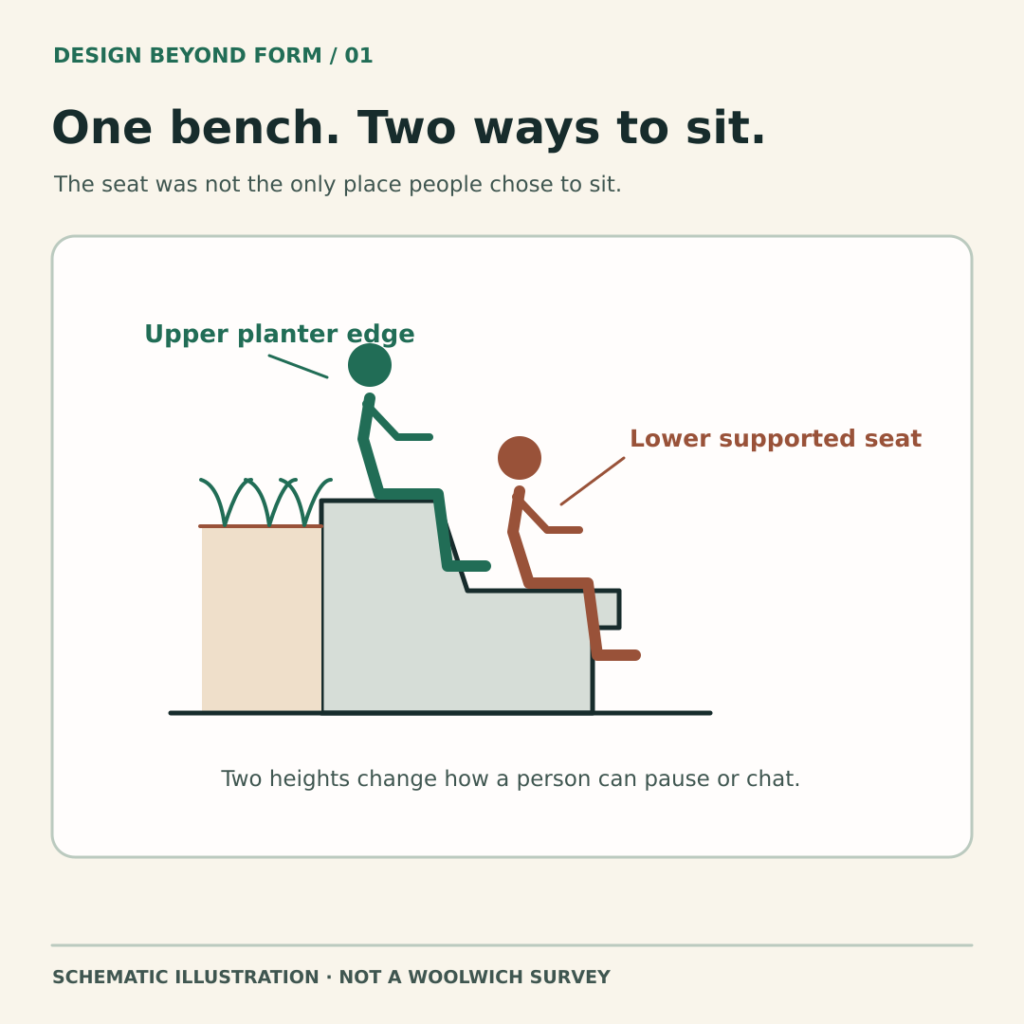
In General Gordon Square in Woolwich, London, researchers noticed something curious. People were sitting on the back of a granite bench, even though there was a seat right below them. The top of the back was about 30 centimetres wide. It doubled as the edge of a planter. From up there, people could see more […]
Can Robotaxis Fix Dubai Traffic? Start With Where They Stop
By Chris Cho | Design Beyond Form I once spent two hours making a very short journey near Dubai’s World Trade Centre. It was raining lightly, but what stayed with me was how many cars were trying to leave through the same narrow route. If all those cars had been driving themselves, what would have […]
A Metro Station Is Nearby. But Is It Easy to Walk There?
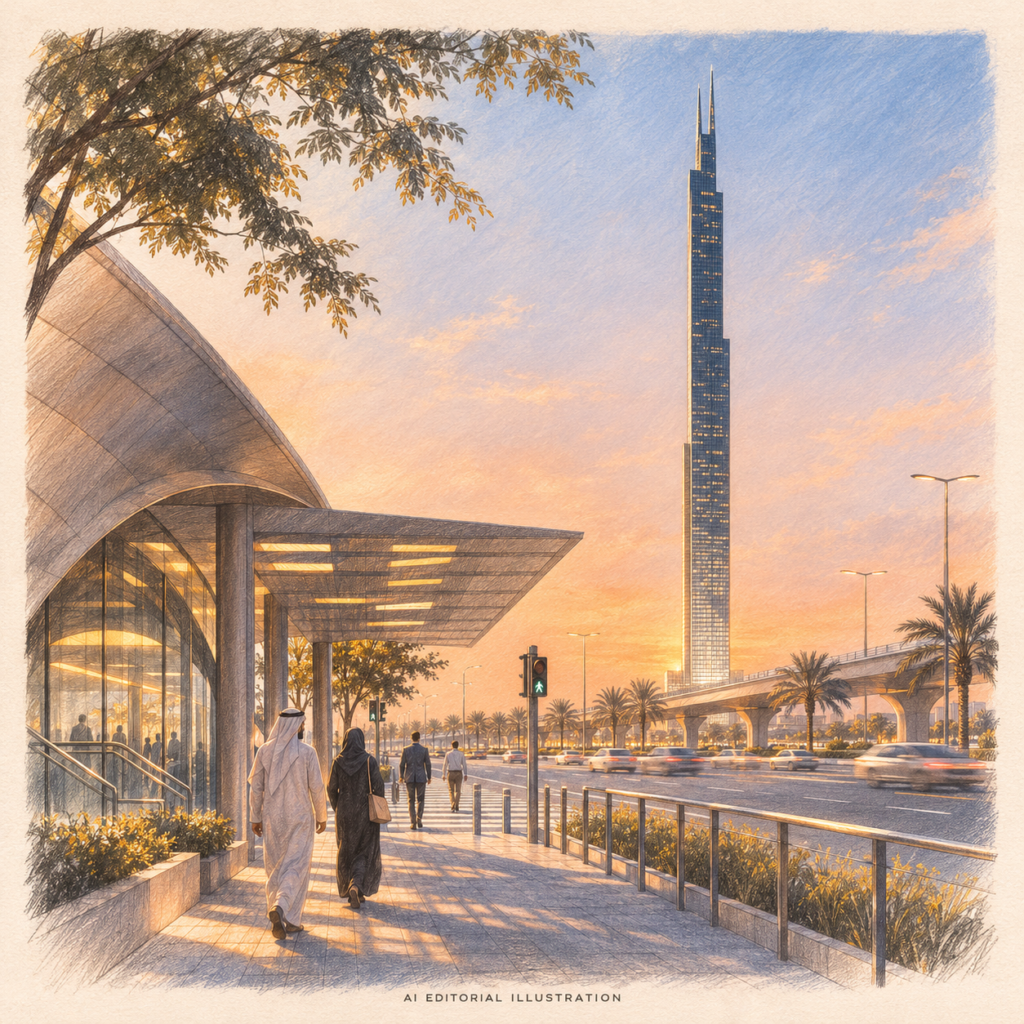
Imagine getting off the Metro on a hot Dubai afternoon. The building you’re heading to is close enough to see. But can you tell where to cross, and where you’ll find the entrance? What looked like a short walk on the map starts to feel like a different journey. I use Burj Azizi to look […]
The Pedestrians a Street Count Cannot See
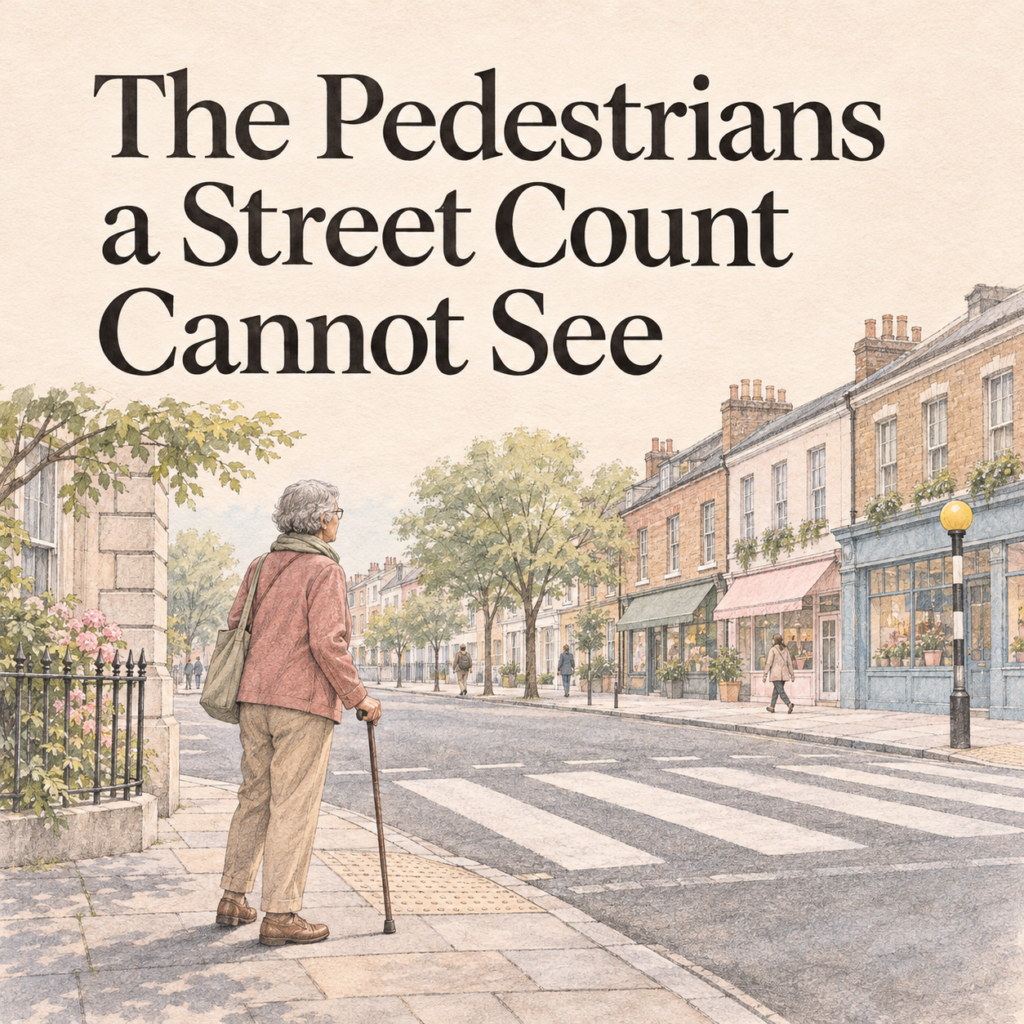
A pedestrian count records the people who arrive. It cannot, by itself, explain who has stopped coming. That distinction matters when a city decides whether a crossing deserves improvement. A quiet pavement may suggest limited demand. It may also sit beside a road that some residents no longer feel able to cross. The same observation […]
Walking and the Streets We Remember
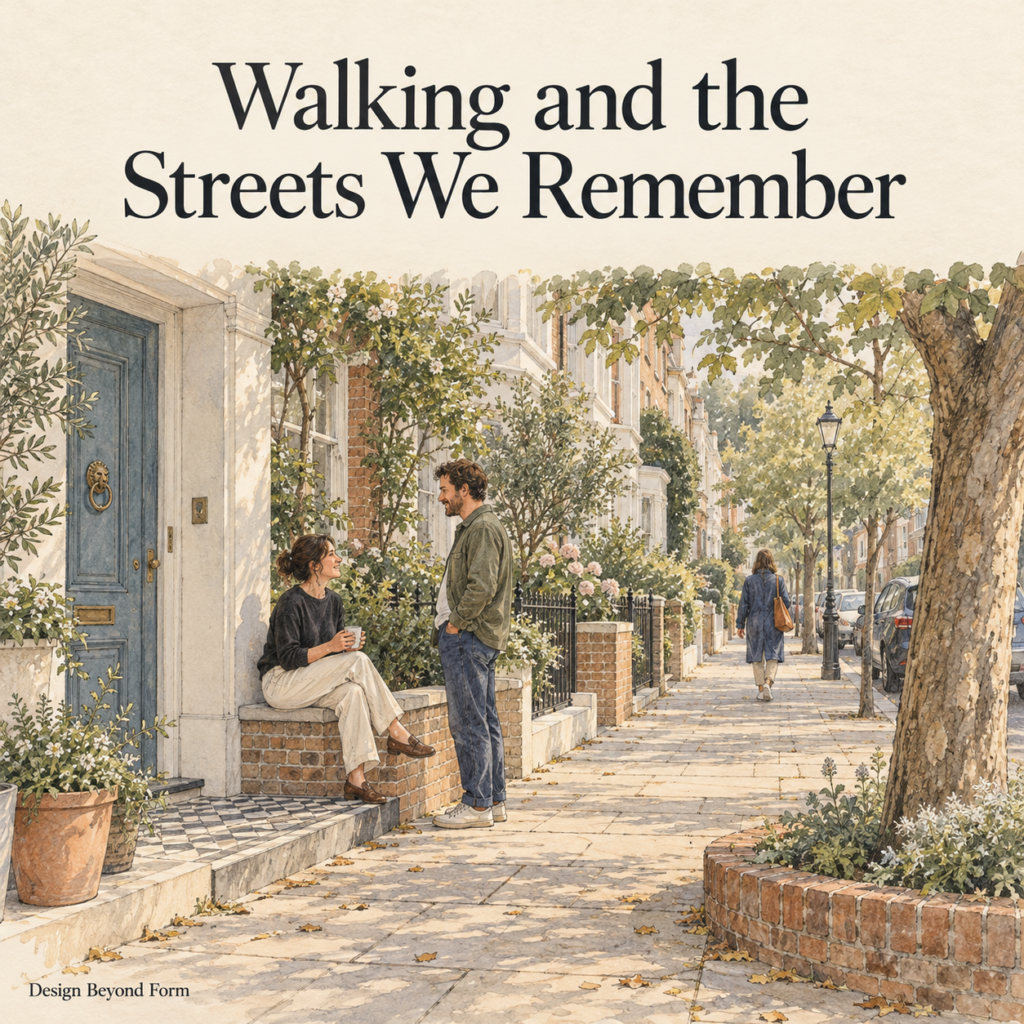
On a San Francisco street, children remembered the brickwork around a tree. On a nearby street with heavier traffic, residents recalled their surroundings largely as a corridor filled with cars. These observations appear in Donald Appleyard and Mark Lintell’s 1971 study, Environmental Quality of City Streets: The Residents’ Viewpoint. The researchers interviewed twelve residents on […]
Can a Better-Looking Street Become Harder to Recognise?
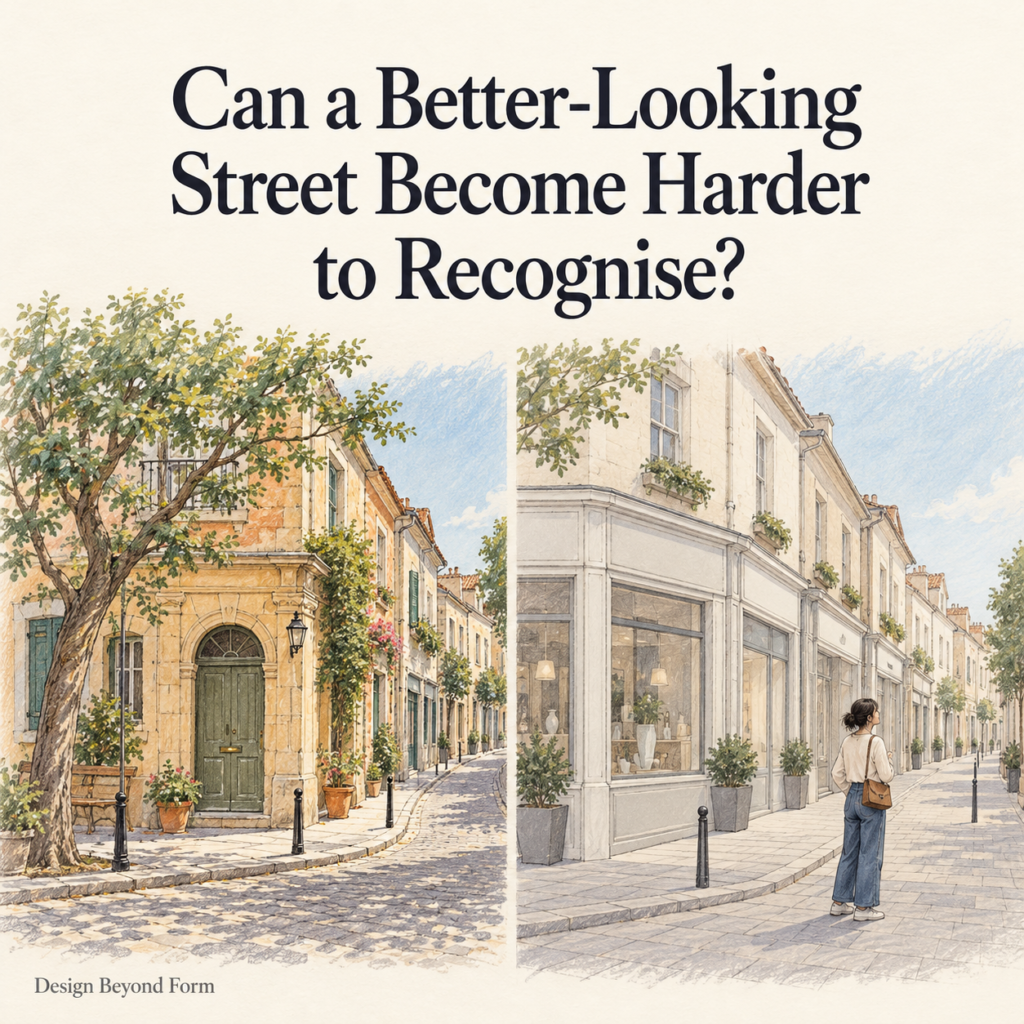
Imagine returning to a familiar street after its renovation. The paving is cleaner. The shopfronts match. New lighting gives everything a consistent appearance. But the corner you used to recognise has disappeared. Would you still call this an improvement? For someone reviewing the project through photographs, perhaps the answer is easy. For someone finding their […]
A Walkable City Needs Somewhere to Go
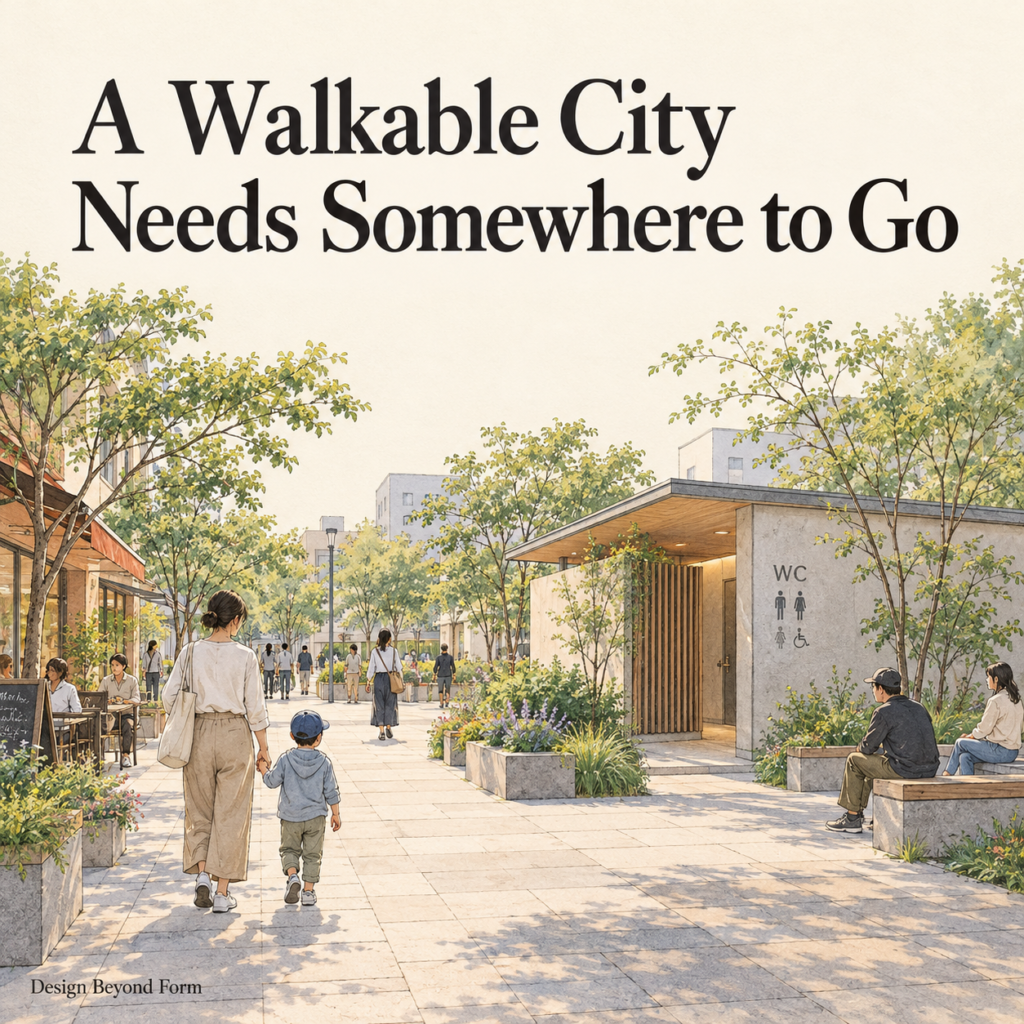
At Higashi-sanchome in Shibuya, a small triangular site beside elevated railway tracks holds a bright red public toilet. Nao Tamura’s design, opened in 2020, gives three separate rooms their own street-facing doors. The designer describes the conspicuous colour and direct entrances as responses to finding the facility, privacy and the apprehension of entering a public […]
Why Are the Neighbours Meeting Outside the Common Room?
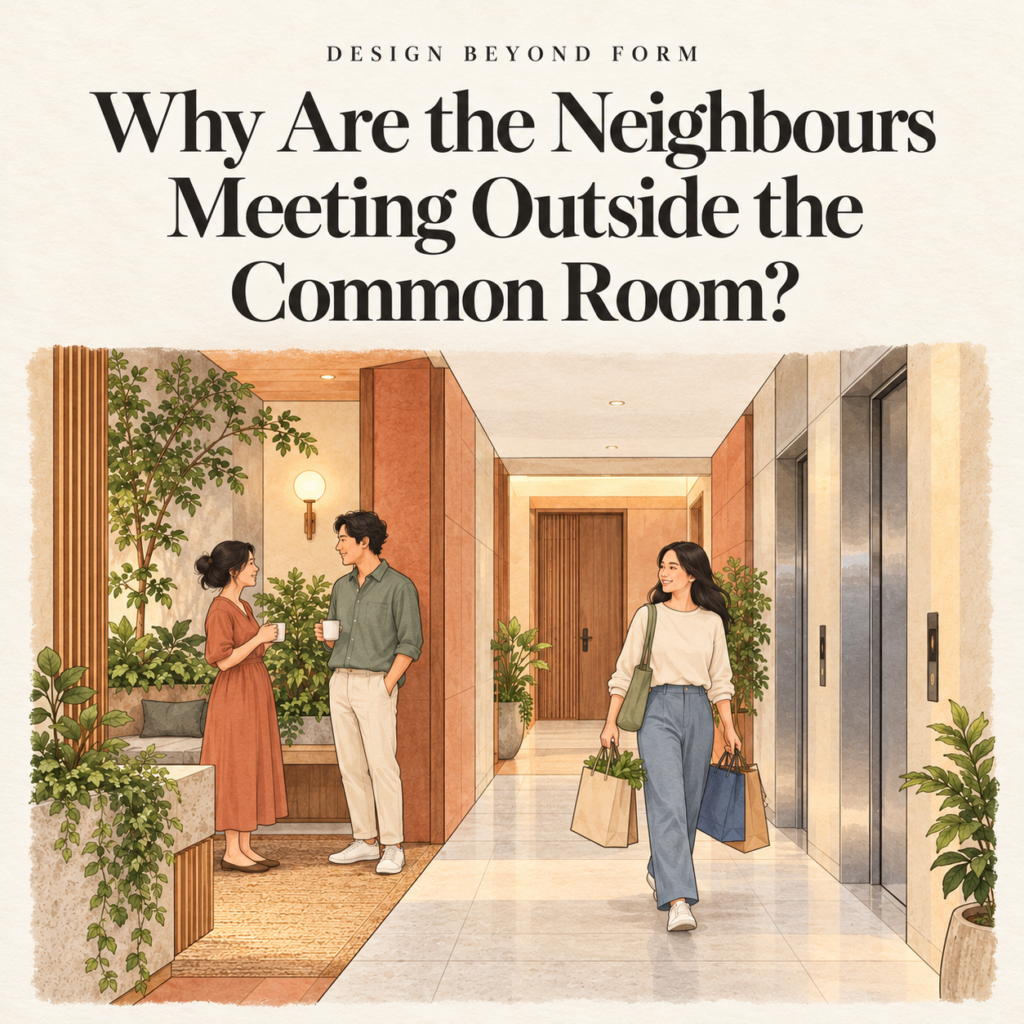
Imagine arriving home with shopping bags. Two neighbours are talking near the lift. You recognise one of them, exchange a few words and briefly join the conversation. Elsewhere in the building, a room has been provided for residents to meet. Why did the conversation happen here? The common room asks you to go somewhere. The […]
Why Did the Conversation Stop?
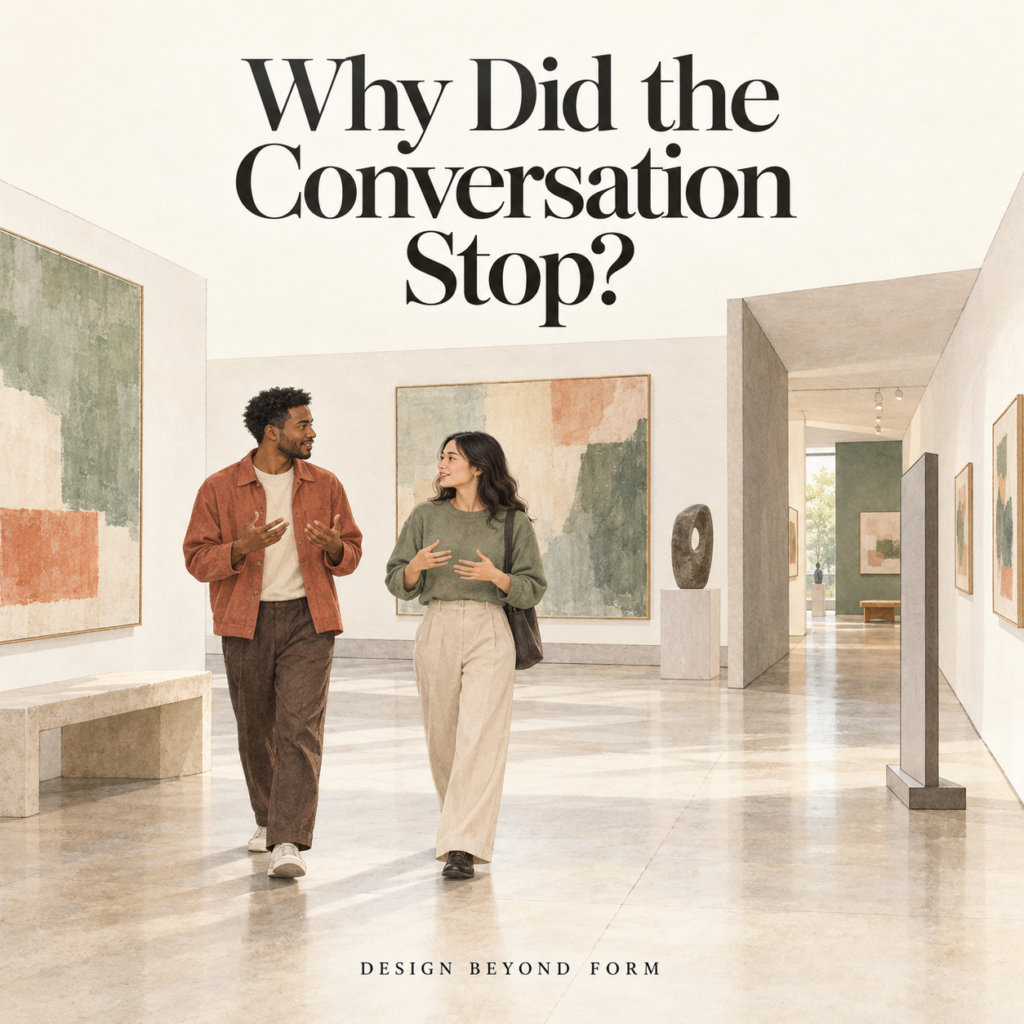
Imagine two friends leaving an exhibition together. They are still discussing something they have seen when the corridor narrows beside a freestanding sign. One moves ahead of the other. A little further on, they find room to walk alongside each other again. They can both reach the exit. The route appears to work. But what […]
The Shops Are Close. Why Does the Walk Still Feel Difficult?
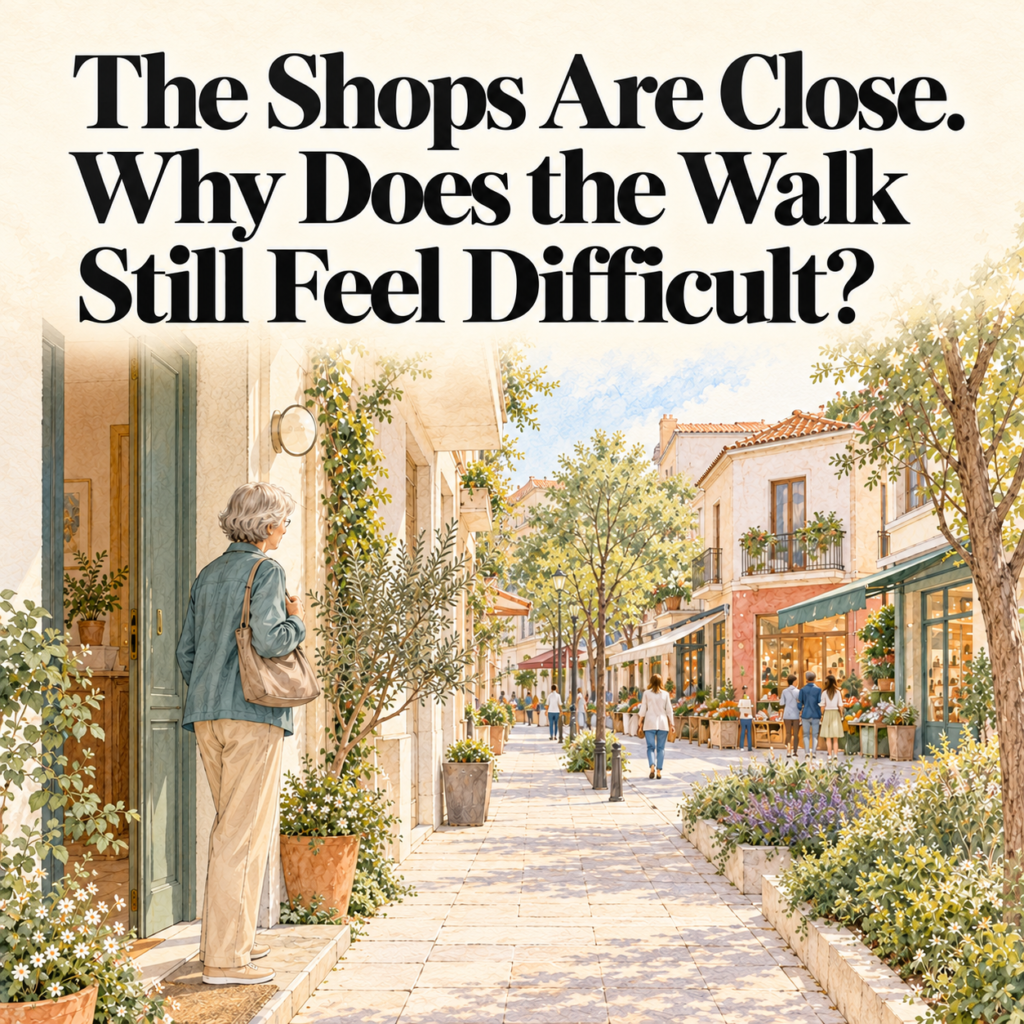
Imagine someone preparing to walk to the neighbourhood shops. The distance is short. The pavement is continuous, and there is a safe crossing. From a plan, the journey looks straightforward. Yet they hesitate. They are thinking about the return journey with shopping bags. If they become tired, where could they stop? This is a hypothetical […]
Apartment Interiors

A hypothetical concept for one- or two-bedroom apartments, with four interior renderings and indicative plan and elevation studies.
The End of the Interior Designer?

If a client can create convincing interiors, what will they need a designer for? A reflection on experience, young designers and the human purpose guiding AI.
Oxford Street Is Making Room for Walking. Dubai Can Find Its Own Way.
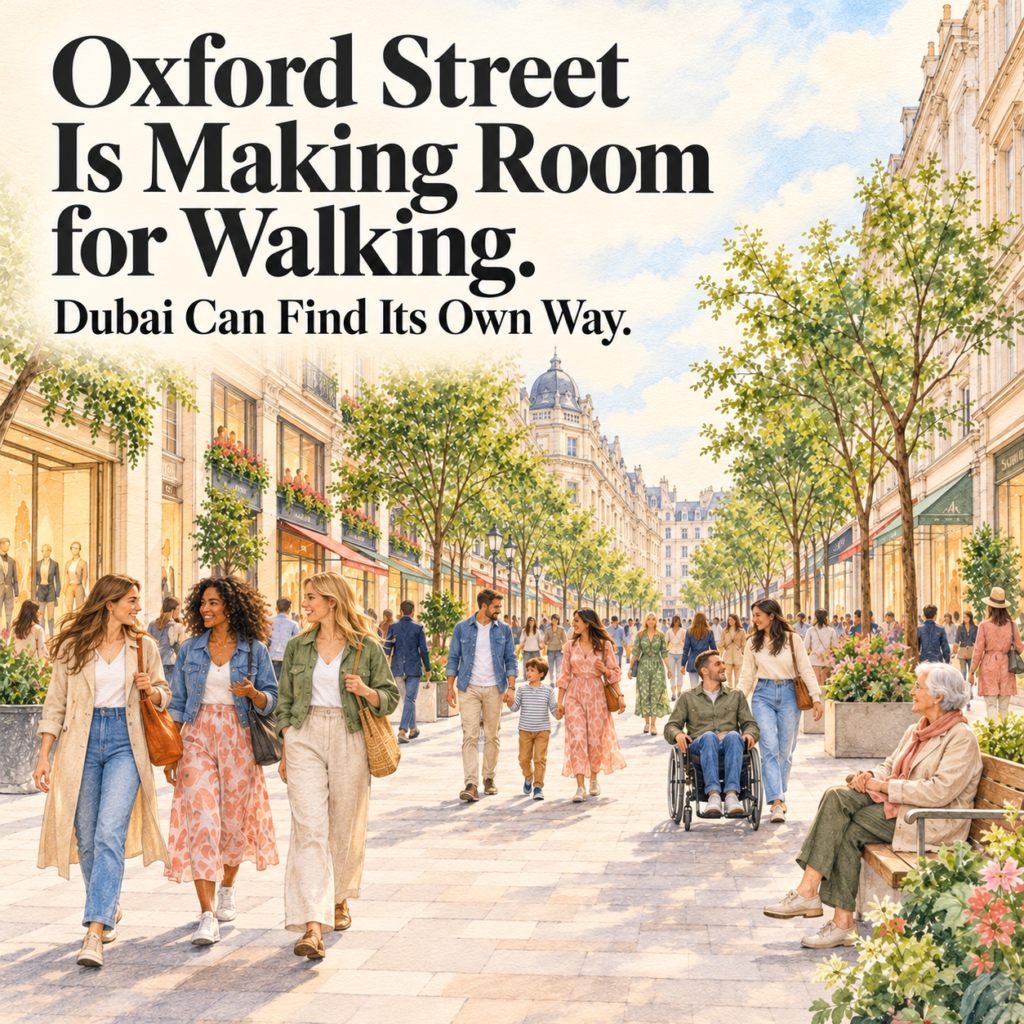
London’s decision to remove traffic from part of Oxford Street is something I welcome. From 26 October 2026, the stretch between Orchard Street and Great Portland Street is scheduled to become pedestrianised, beginning a phased transformation. I strongly believe most cities should prioritise walking and remove cars where this can improve everyday life. It is […]
Designing for the Moment Things Go Wrong
Most of the time, we encounter design when everything is working. A door opens. A car stops. An aircraft lands. We notice the shape, the movement and how easily something fits into our day. A more difficult test begins when the expected sequence breaks. A person loses balance. A driver reacts late. A machine fails. […]
A Small Home Should Offer More Than a Place to Fit

A compact apartment can fit every function on paper and still ask its residents to rearrange daily life around the furniture. Using an illustrative Hong Kong layout with a separate bedroom, Design Beyond Form asks how movement, storage and simultaneous use should shape the first layout study.
A Good Tenant Cannot Fix a Bad Mall Experience
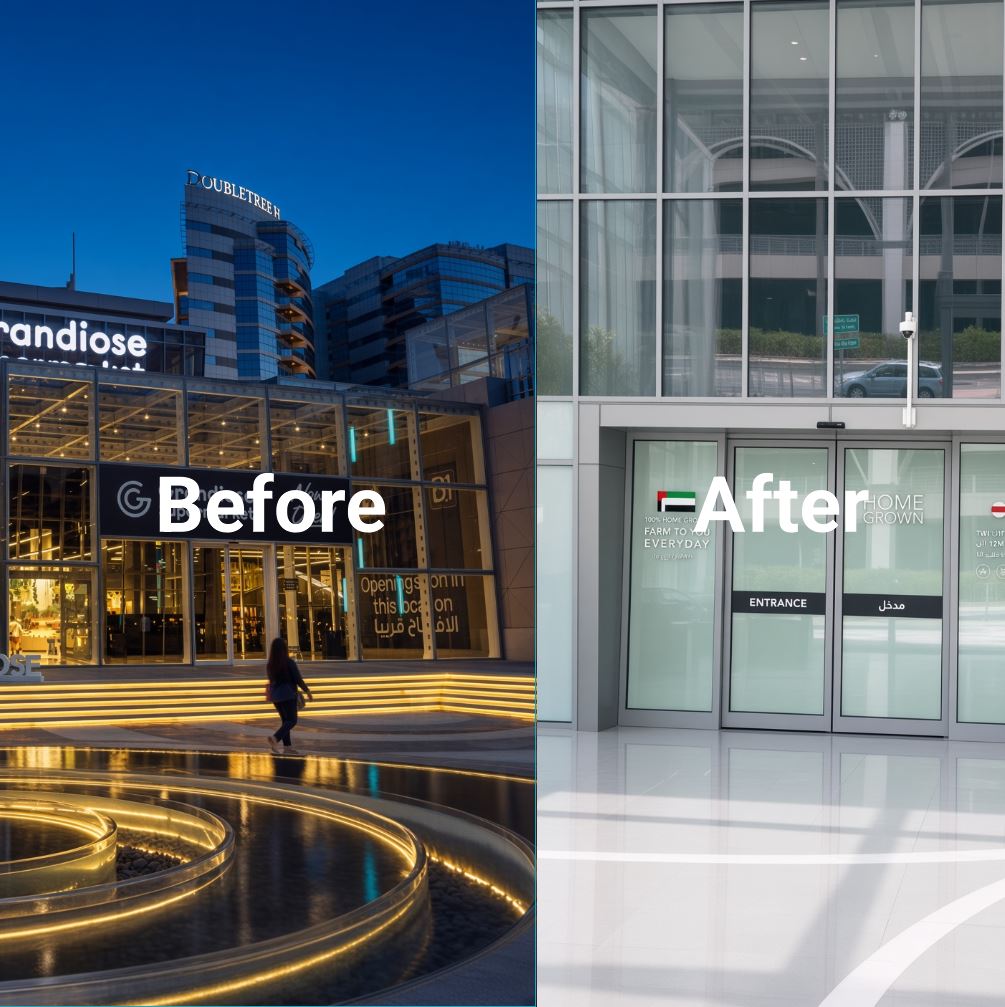
Recently, I passed by B1Mall again and noticed that one of the shops I really liked had closed. Grandiose. I used to visit it often. It had many qualities you would expect from a strong anchor tenant – good food, reasonable prices, frequent promotions, and a wide variety of products. But I also knew the […]
Dubai Doesn’t Need a 93 km Walkway. It Needs a Connected Walking Network.
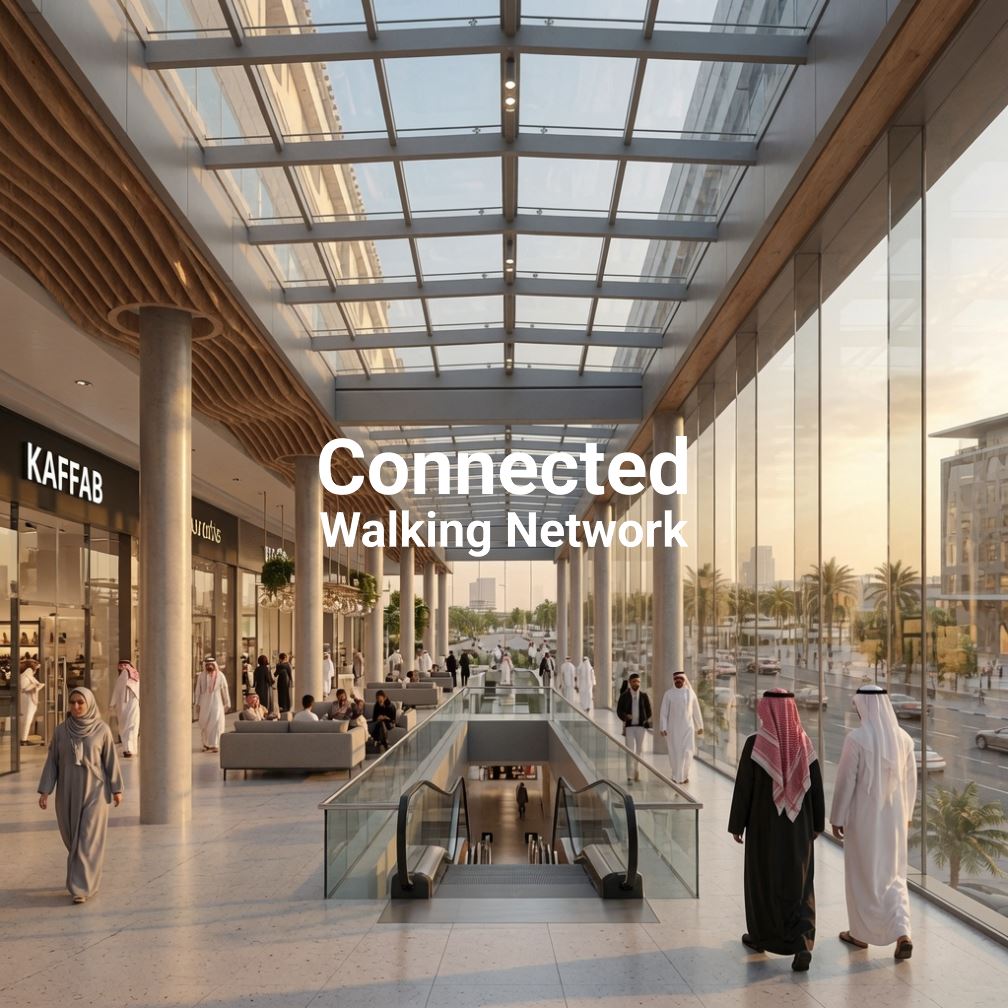
Every city eventually faces the same question:How do we encourage people to leave their cars behind? The answer is rarely found in building a longer walkway. The world’s most walkable cities first remove the everyday barriers that prevent people from walking. Seoul transformed an elevated highway into Seoullo7017, reconnecting parts of the city divided by […]