
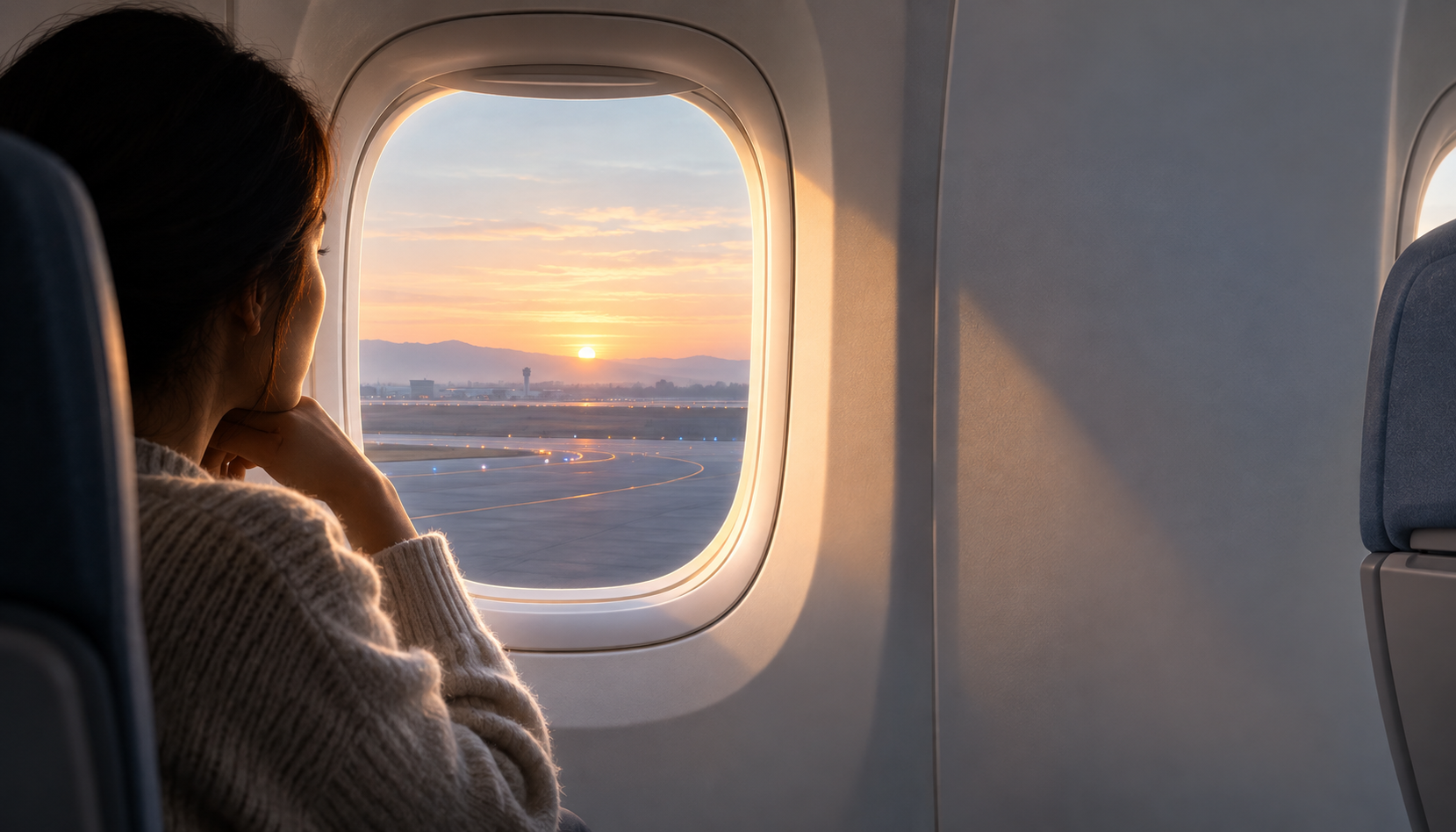
Most of the time, we encounter design when everything is working. A door opens. A car stops. An aircraft lands. We notice the shape, the movement and how easily something fits into our day.
A more difficult test begins when the expected sequence breaks.
A person loses balance. A driver reacts late. A machine fails. At that moment, the space and objects around us become part of the outcome. Design needs to account for those moments before they happen.
This is one of the questions behind Design Beyond Form: how much care is built into something when the person using it becomes vulnerable?
What technology might make possible
Recent reporting about Tesla’s Roadster demonstration offers an interesting starting point. The car turned in the air and landed using built-in thrusters. It is a striking demonstration of movement and control, and it invites questions about where such capabilities might eventually be useful.
One possibility to investigate is emergency protection. Could a future aircraft include a passenger cabin capable of separating and descending under control? Could a specially designed system help soften its landing?
These are research questions. The imagined system is not a proven solution. It would require evidence across many conditions, including damaged systems and very little time to respond. A successful demonstration in a car does not answer those questions for an aircraft.
What Muan asks of design
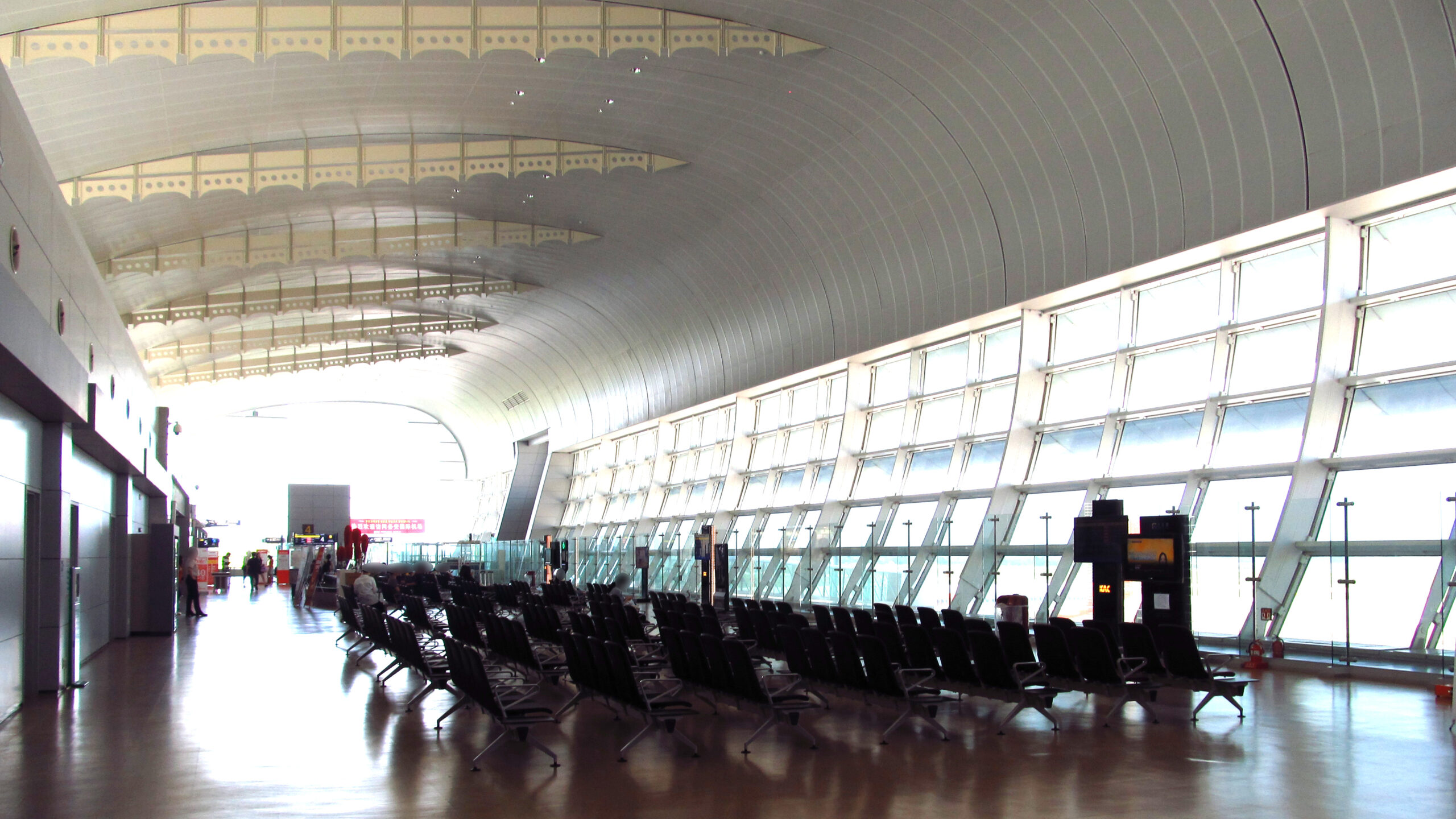

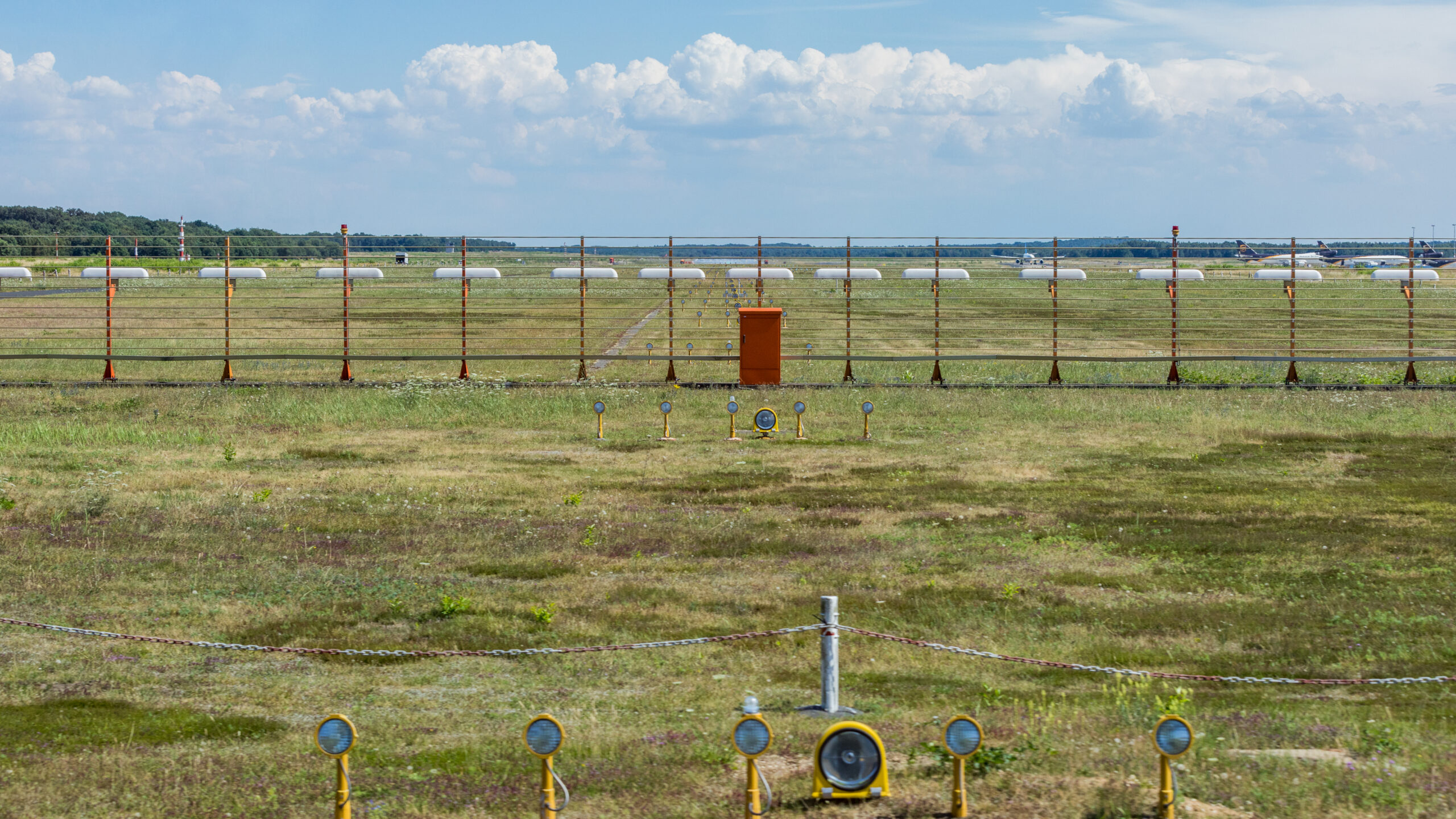

The Muan disaster brings the discussion back to the environment around a vehicle. On December 29, 2024, Jeju Air Flight 2216 overran the runway after a belly landing and struck a concrete embankment supporting landing-guidance antennas. The crash killed 179 people; two crew members survived.
Could Tesla’s thruster technology have saved them? We do not know, and there is no evidence that this system could have prevented those deaths. A runway overrun on the ground is different from a controlled descent through the air.
There is, however, a lesson about existing infrastructure. South Korea’s state audit found noncompliant localizer structures, including at Muan, according to Reuters. That finding places attention on ordinary decisions about structures, approvals and inspections.
The ACRC’s recommendations included supports that break away under impact and extending runway end safety-area coverage to the installation. These are practical measures aimed at reducing the danger an aircraft meets beyond the runway.
Making everyday life more forgiving
Ambitious research and careful attention to existing safety requirements belong in the same conversation. We can investigate new ways to protect people while taking responsibility for hazards already within our ability to address.
That responsibility also shapes smaller places. In a home, it might mean thinking about someone moving through a room with limited mobility. On a street, it means considering the person crossing slowly, not only the vehicle passing through.
I want Design Beyond Form to keep asking these human questions. What happens when someone needs more time? When their judgment is imperfect? When a system they trusted fails?
The purpose is to make the places and things we depend on more forgiving, so that an ordinary journey has a better chance of ending safely.
Continue exploring Design Beyond Form.