
Recently, I passed by B1Mall again and noticed that one of the shops I really liked had closed.
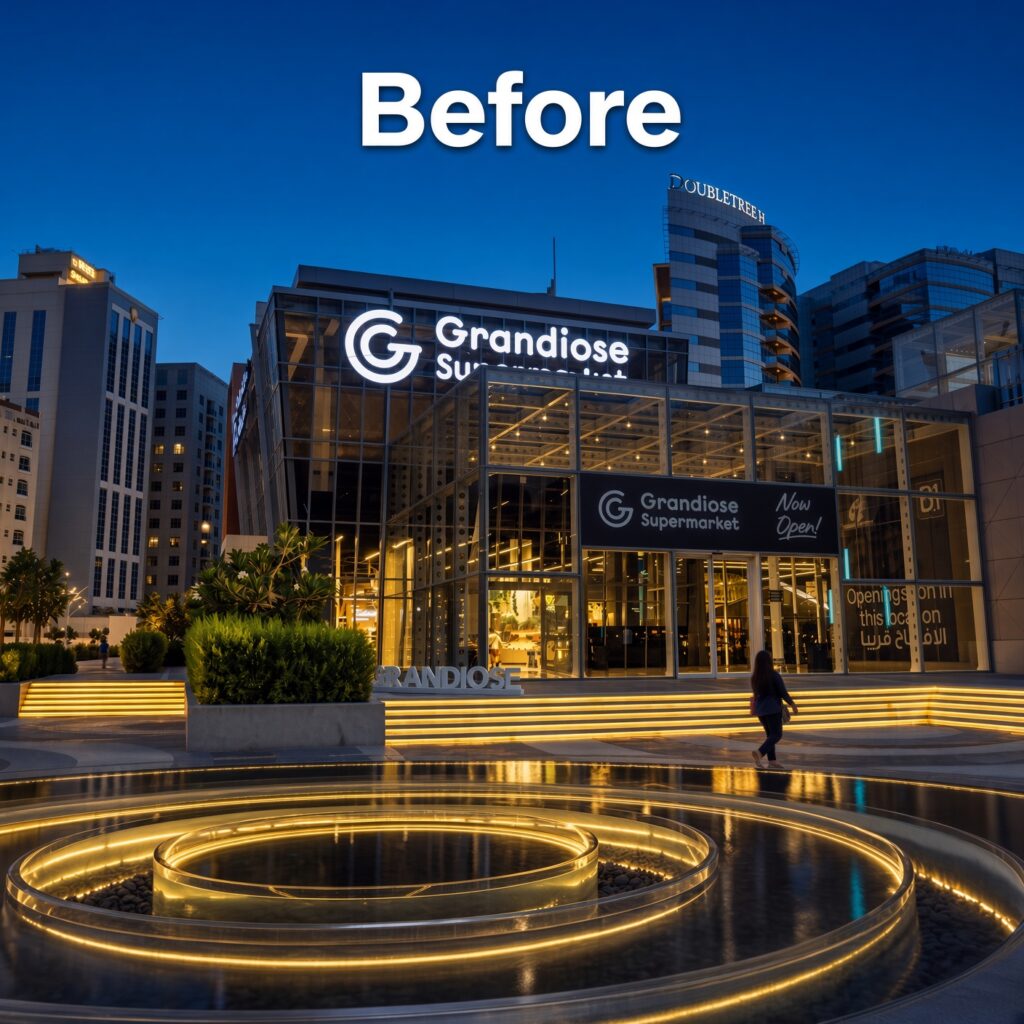
Grandiose.
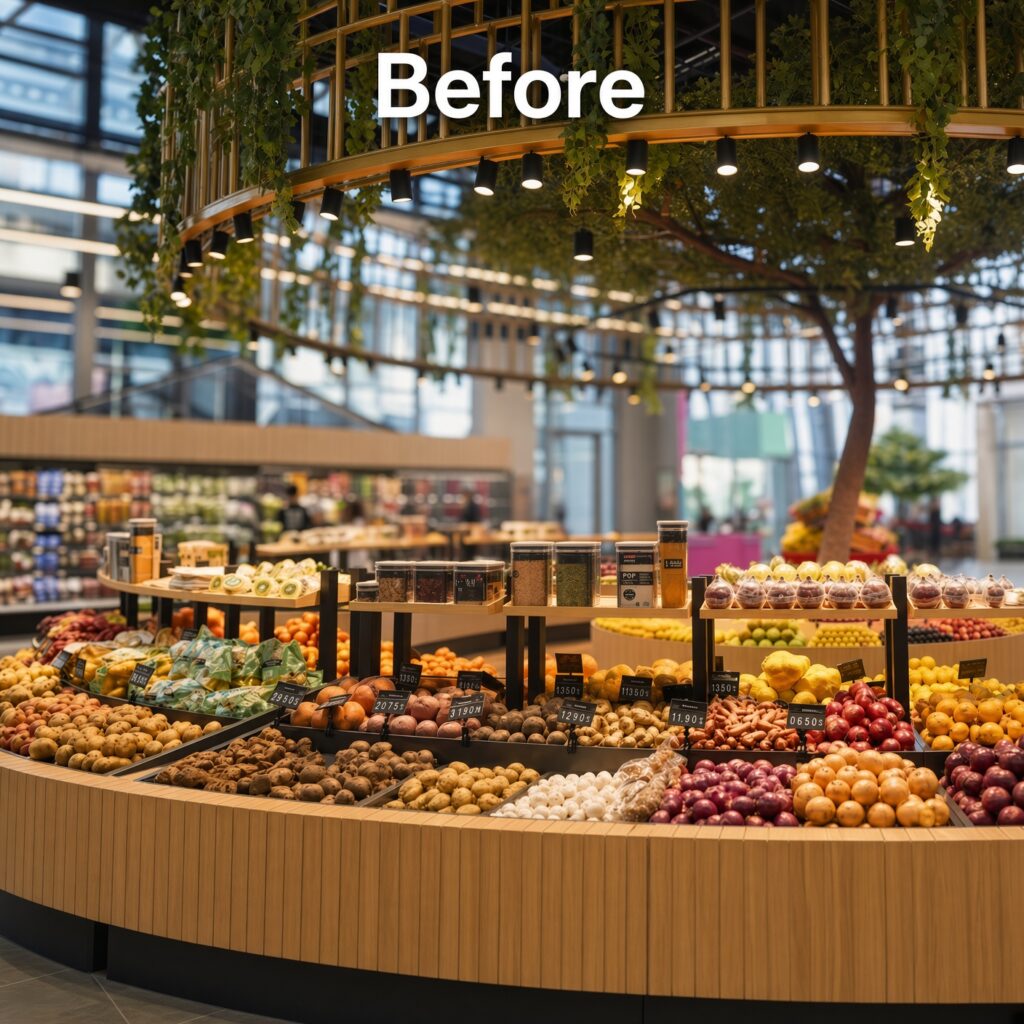
I used to visit it often. It had many qualities you would expect from a strong anchor tenant – good food, reasonable prices, frequent promotions, and a wide variety of products.
But I also knew the limitations of the place. I had already shared some of those concerns in my video ( This Is Why AI Will Replace Most Architects) and even in my book (Design Beyond Form). So, seeing it closed was not entirely surprising to me.
Of course, I don’t know the commercial reasons behind the closure, and other factors may be involved.
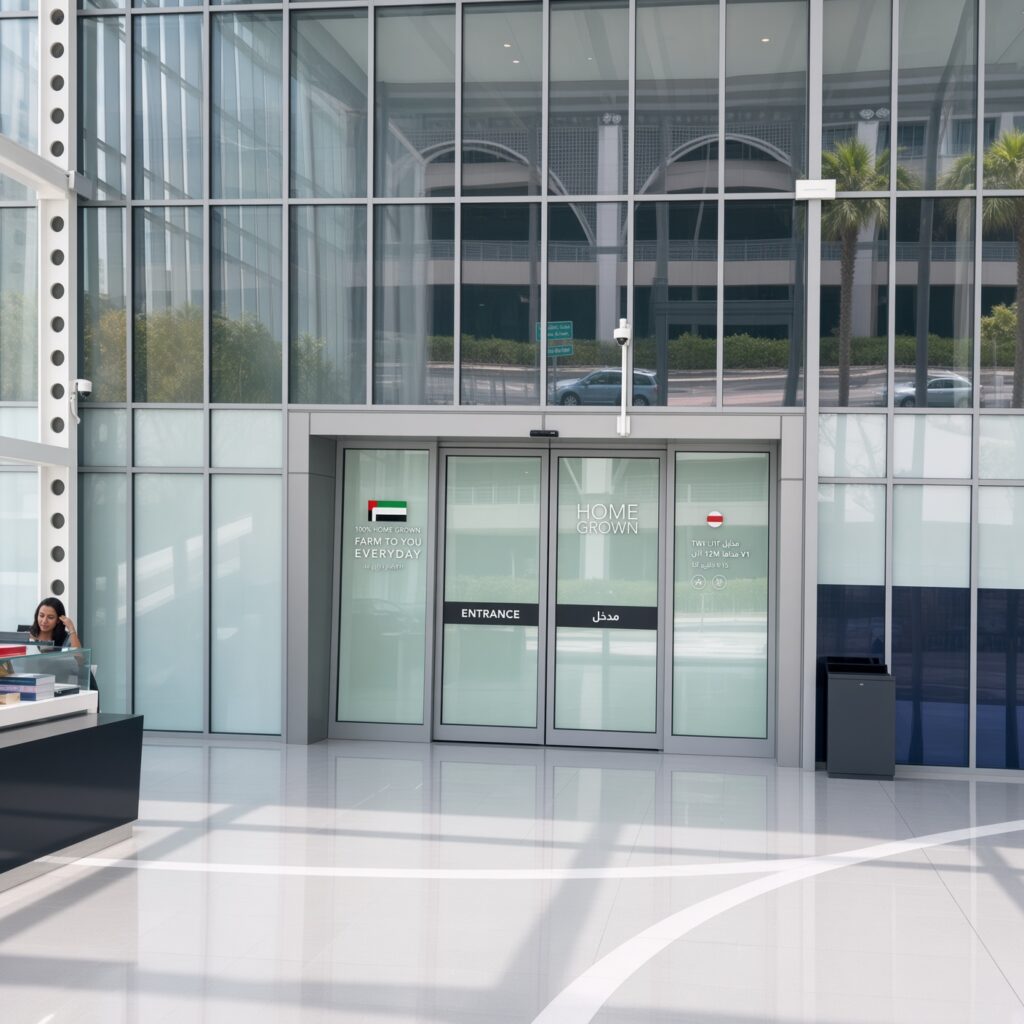
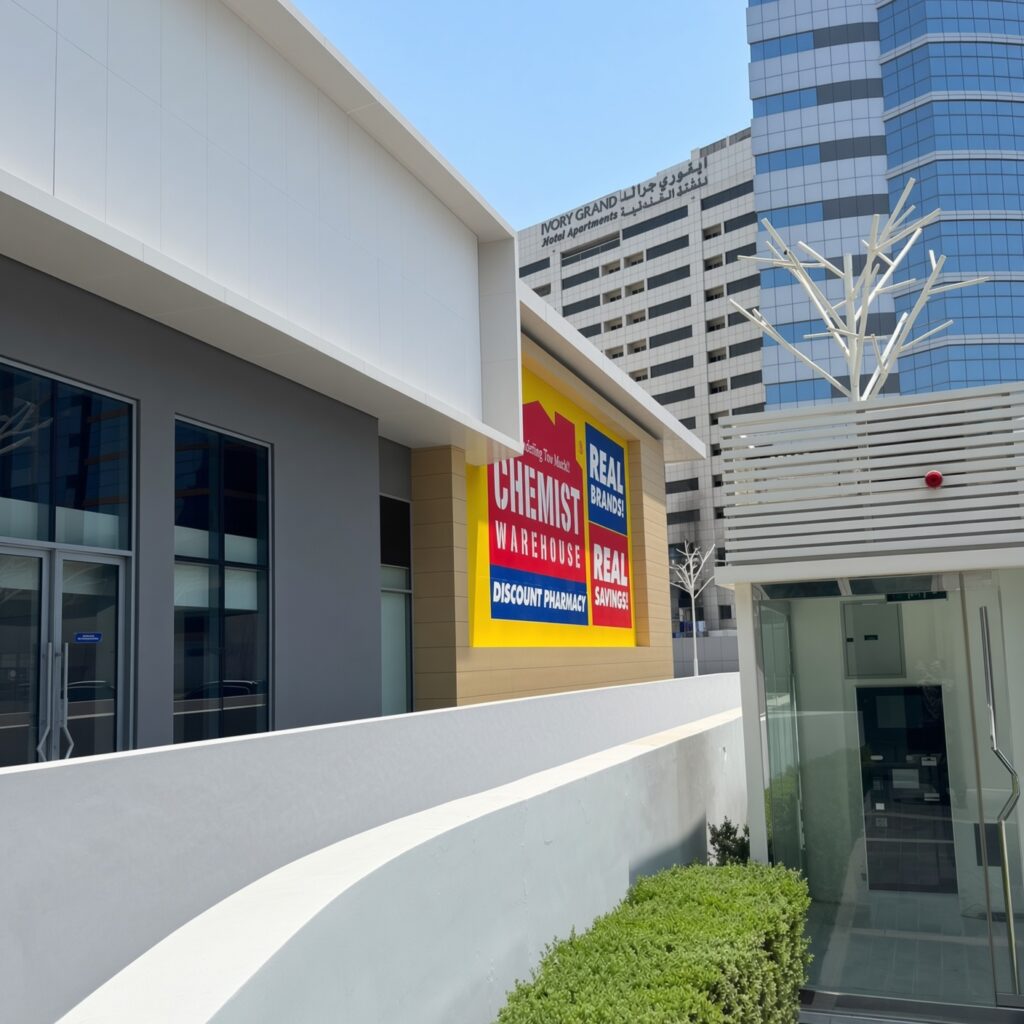
But it brought me back to a question I have raised about this project before:
Can a good tenant overcome a building that does not respond well enough to its context?
B1 Mall is located in Al_Barsha, close to Mall_of_the_Emirates and surrounded by an established residential community.
That sounds like a good location.
But it also creates an obvious challenge.
Why would people choose a relatively small community mall when Mall of the Emirates is just across the road?
That question should have influenced the architecture from the beginning.
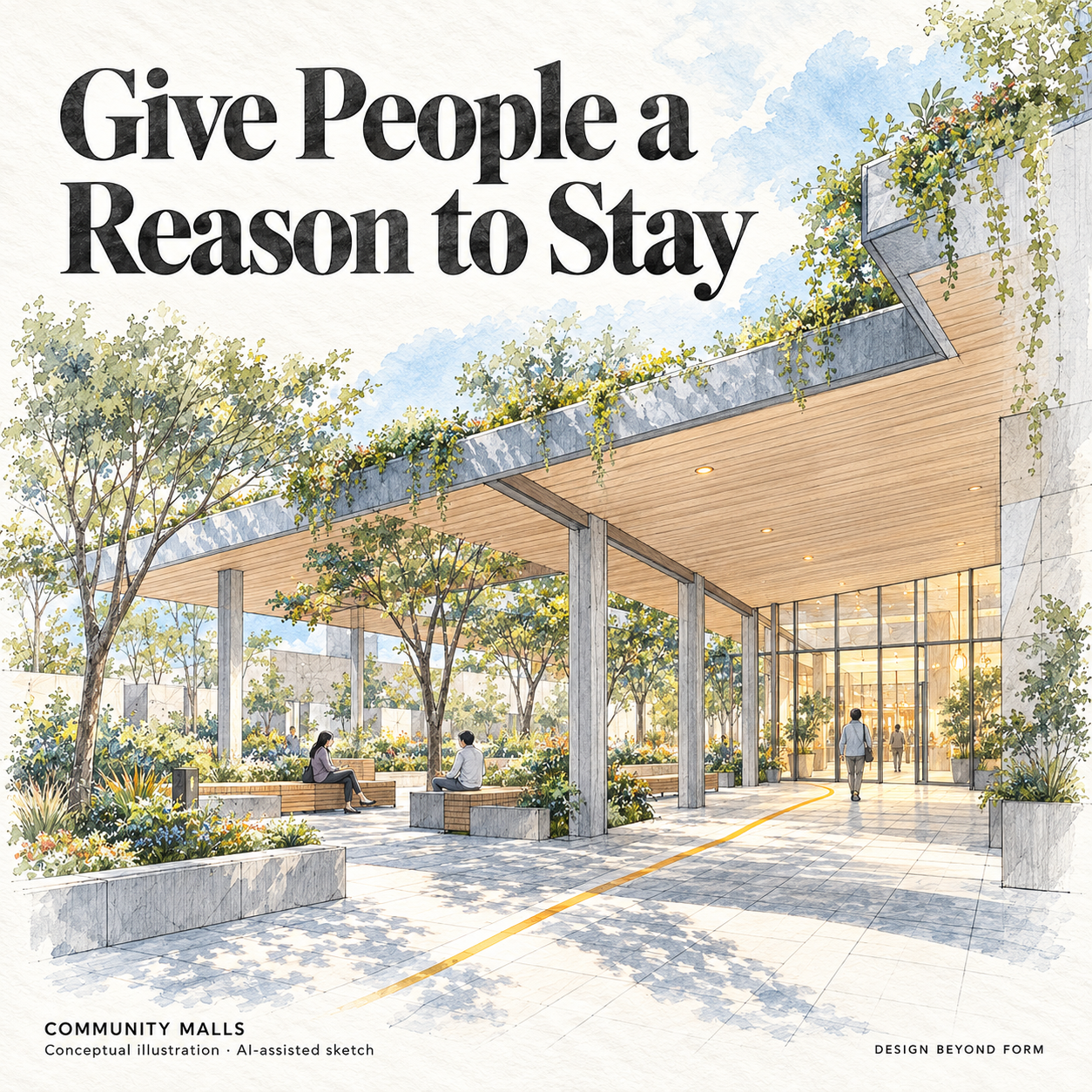
The project needed to offer something different, something that responded directly to the people living around it.
More shaded and air-conditioned walking space.
Better pedestrian connections directly into the mall.
And most importantly, a comfortable environment where people could stop, stay, and enjoy the place rather than simply pass by.
In Dubai’s climate, this matters enormously.
If reaching a place means walking through intense heat with little shade or comfort, people will naturally choose another option – especially when a fully air-conditioned destination offering almost everything is nearby.
This is why context-driven design is not simply an architectural concept.
It can influence whether a place actually works.
Where are people coming from?
Why would they walk here?
Why would they enter?
Why would they stay?
And what would make them return?
A cool-looking building alone cannot answer these questions.
Grandiose closing does not prove that architecture was the reason.
But seeing it close brings me back to the same concern I had about B1 Mall from the beginning:
Did the building create the right conditions for people to come, stay, and spend time there?
And if it did not, how much harder did that make life for the businesses inside?
I have seen similar problems in many mall developments in Saudi and even including in Hong Kong. When the architecture does not respond to movement, climate, access, and everyday behaviour, even a good commercial concept can struggle.
That is why architects need to ask much deeper questions before we start designing.
That is where Design Beyond Form begins.
Related Articles
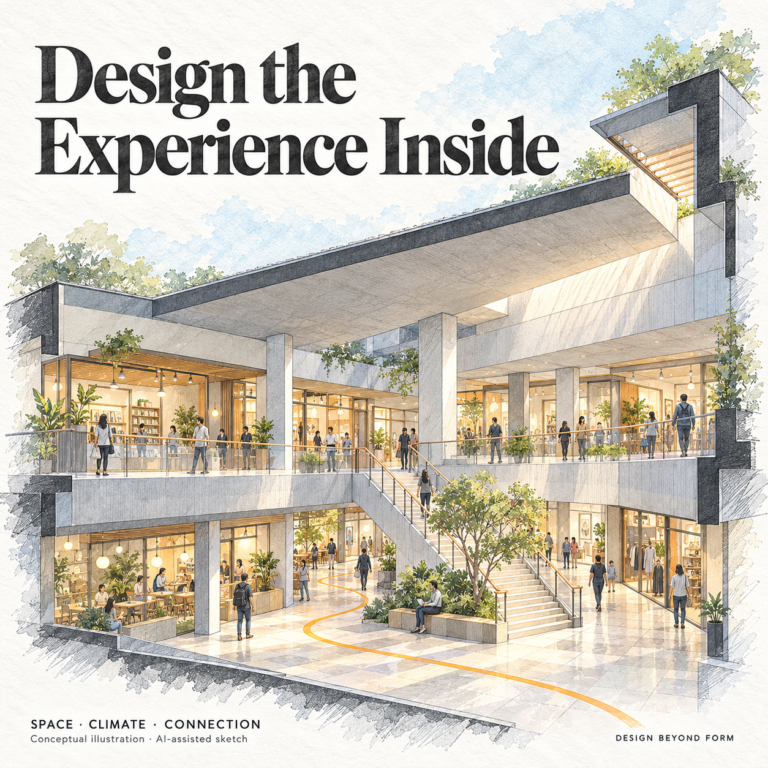
Why ‘Look & Feel’ Is the Wrong Way to Design
The earlier B1 Mall critique examines climate response, fragmented layouts, and weak spatial connections.
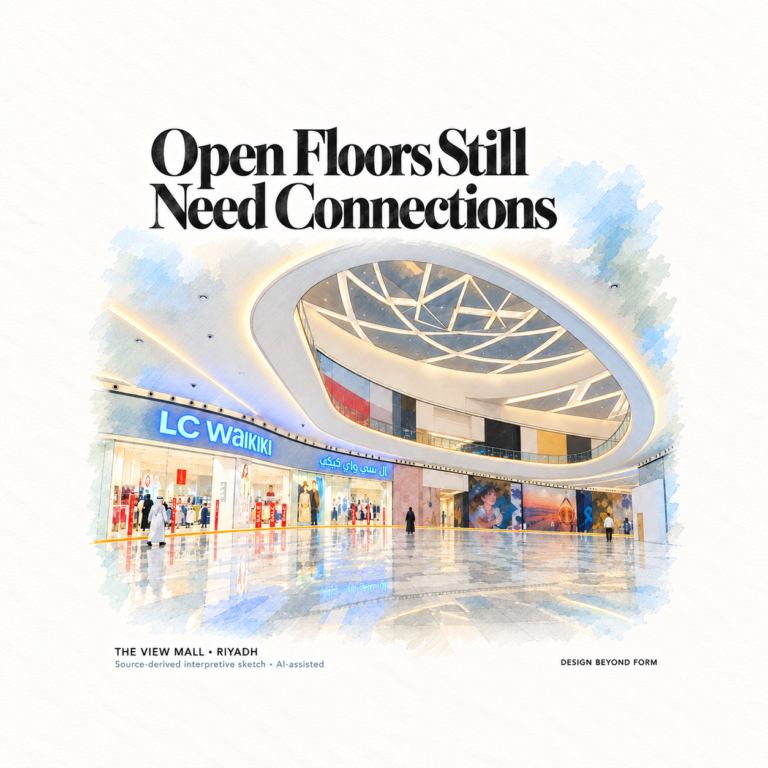
Shopping Mall Design (9) : Breaking the Flow:
How missing escalators can frustrate visitors and make life harder for mall tenants.
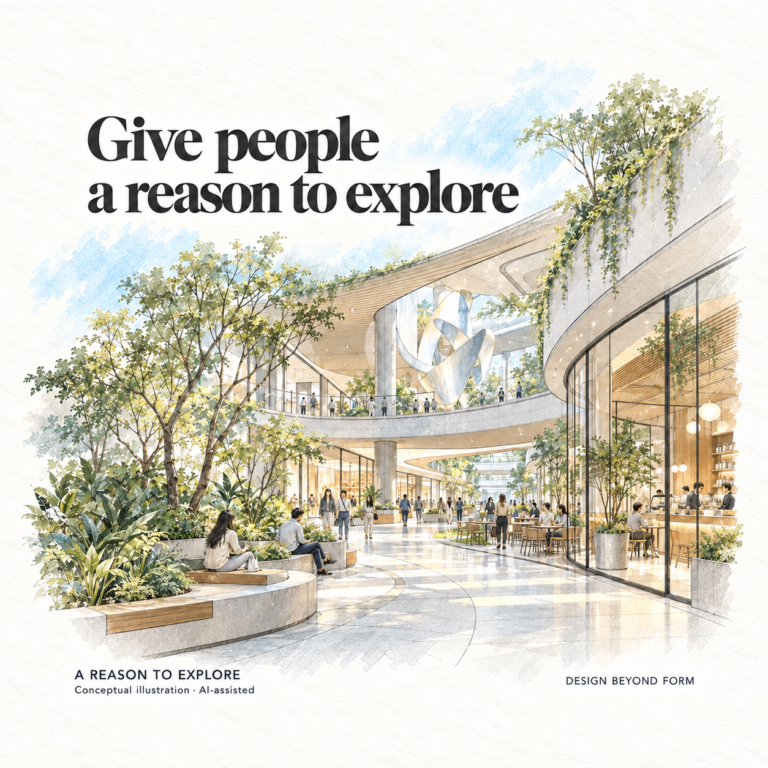
Shopping Mall Design (1): How can we create a space that draws people in?
Creating experiences that give people reasons to enter, linger, and return.