

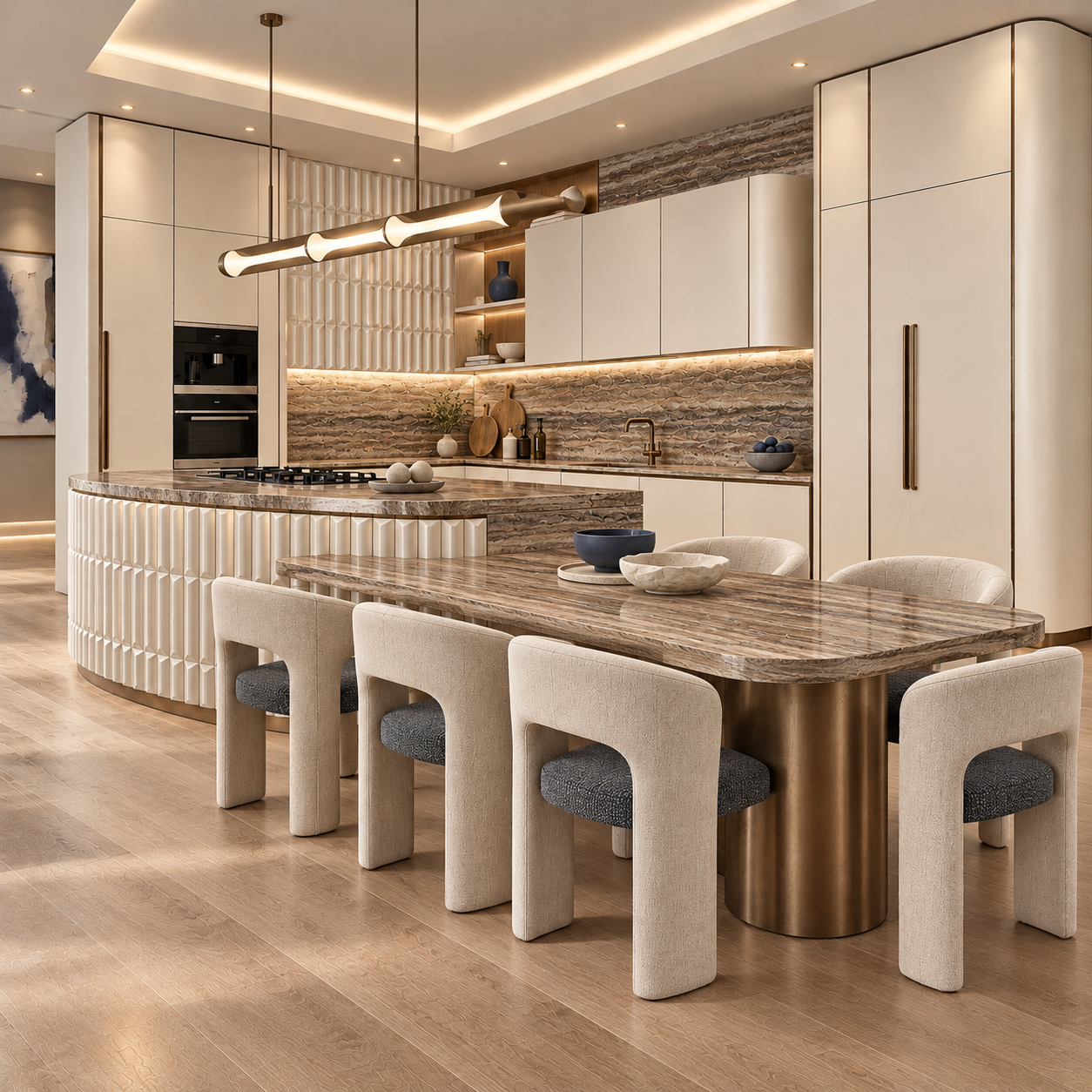
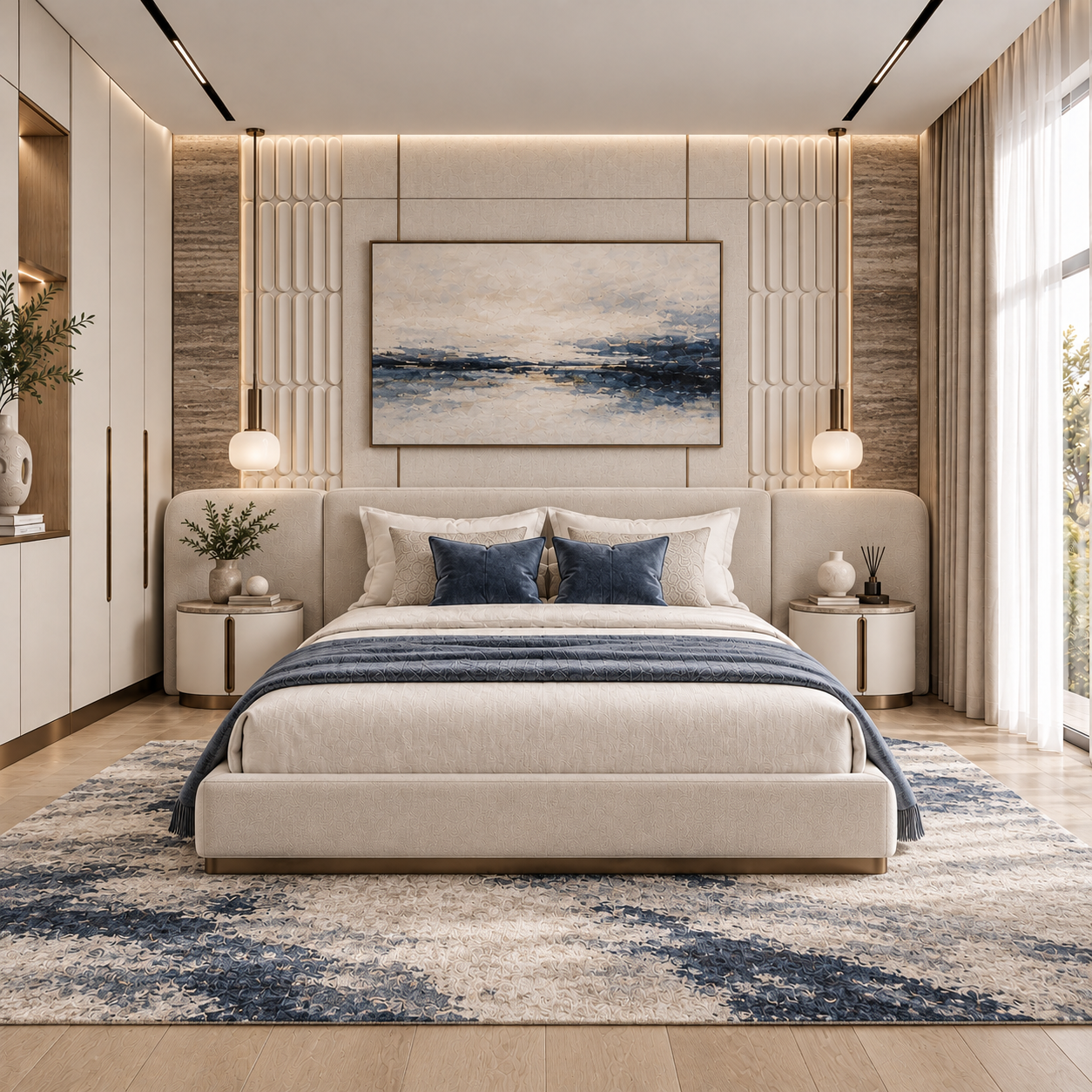
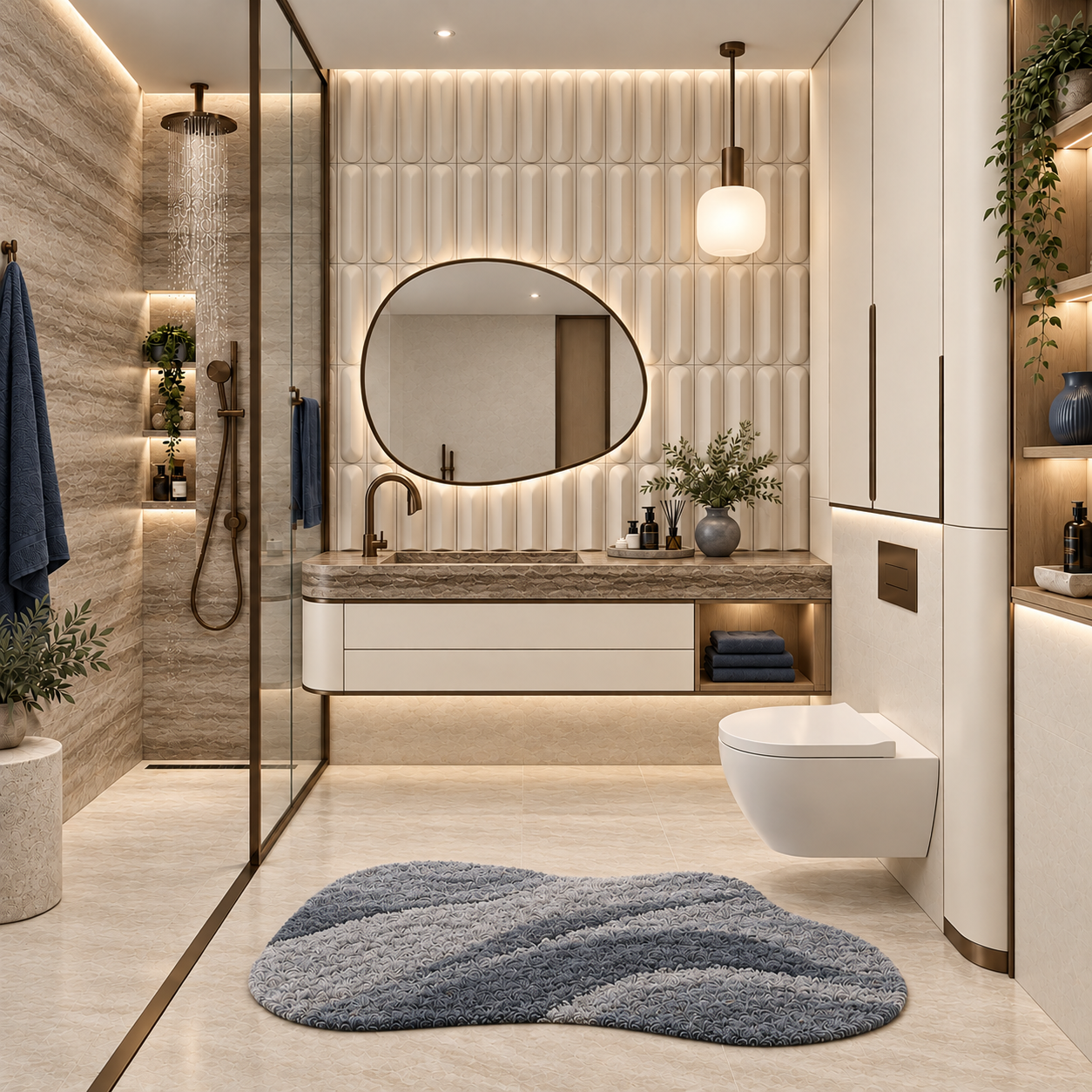
Looking at these interiors, I catch myself asking an uncomfortable question: if a client can create images like this, what will they need a designer for?
These four images are an AI-generated concept for a two-bedroom apartment, with no specific site or client. After a few hours of testing ideas and changing materials, an interior can look remarkably convincing. I find that exciting—and much quicker than the workflows I learned.
But imagine stepping into that lovely kitchen. Can you move comfortably while someone else is cooking? Can the materials in the image actually be sourced—and do they fit the budget? How will the layout work with the structure, plumbing and other building services?
The image gives us something to aim for. Those questions help us discover whether it can become a place that works.
Designers need to understand the people who will use a space, make thoughtful layout decisions and coordinate the details. Choosing a finish means considering its availability, cost and suitability for everyday use, alongside its appearance.
That knowledge also helps us guide AI. Experience influences what we ask for, which results we choose and what we recognise as needing further work.


This is where I begin to worry about young designers.
They can now produce an impressive image without having worked through many of the decisions it suggests. If the quickest route to that image becomes the whole learning process, when do they learn to recognise what is missing?
Developing a design gives us opportunities to discover why an idea fails, why a detail changes or why one material works better than another. As the visual work becomes faster, we need to keep those opportunities in a designer’s training.
Otherwise, there is a risk that someone becomes good at presenting a space before learning how to make it work. That gap could make it harder to build a lasting role in the profession.
That training must also include learning to listen. Imagine someone asking for an open kitchen because they feel left out while preparing dinner. Understanding that everyday frustration gives us a reason to reconsider the layout. Technical knowledge then helps us work out how to make the change possible.
This is why Design Beyond Form matters to me. Understanding people and what could make their everyday lives happier should guide the choices we make—and the possibilities we ask AI to explore. This is the human touch I want us to carry into the work.
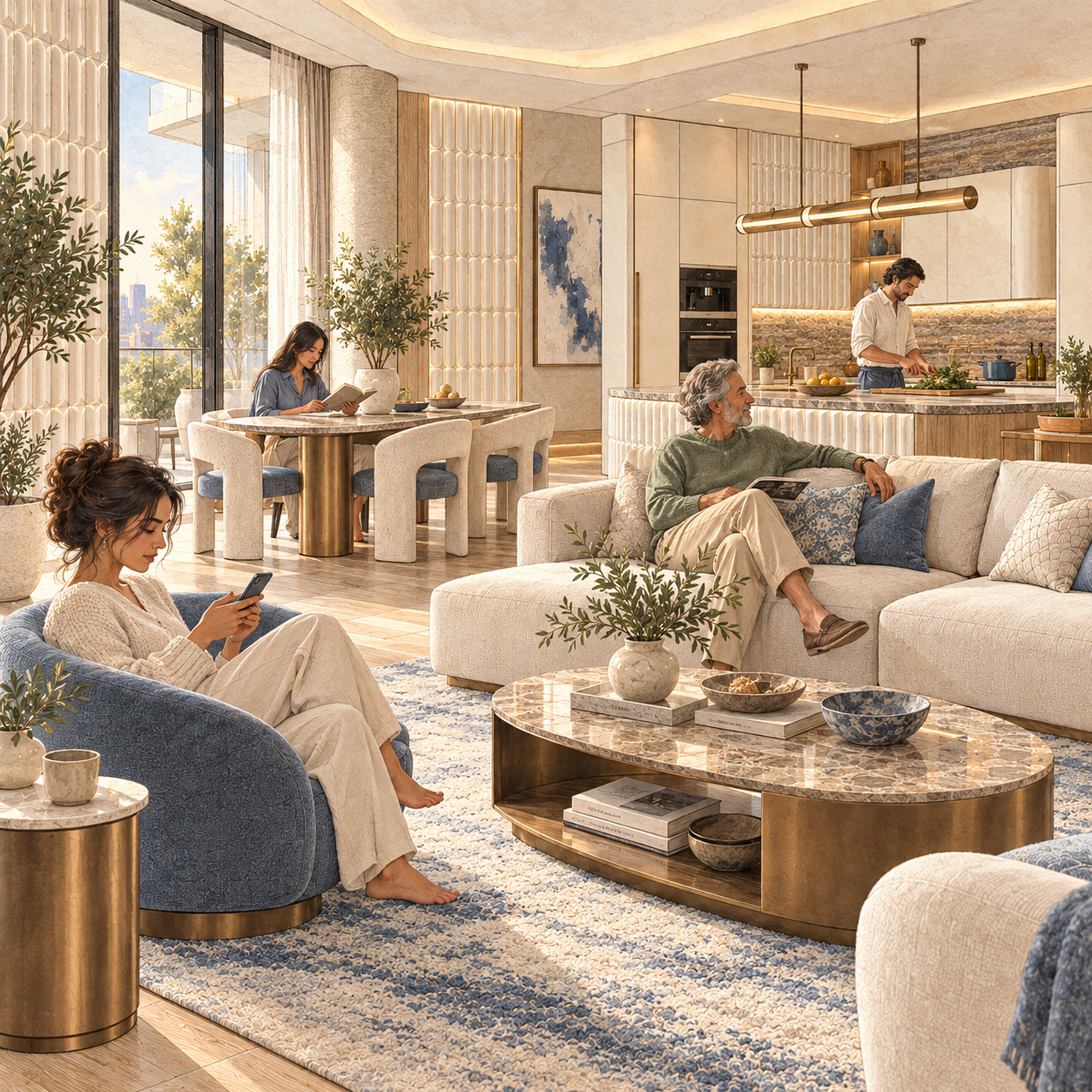

In a coming video, I will share more of my experience developing an apartment interior, from reviewing the layout and coordinating the practical requirements to using those decisions to guide the images.
Looking at these interiors again, I come back to my opening question. If a client can create the image, our value as designers has to show in the decisions that make it a home suited to their lives and possible to build. That is the judgment we need to develop—and keep teaching—as our tools change.
Related PicksRelated Picks: from image to everyday life
A convincing image leaves plenty to discover. These resources offer ways to look more closely at the room someone will actually use.
As an Amazon Associate I earn from qualifying purchases.

Design Beyond Form
Explore the questions behind architecture shaped by people, place and everyday life.
The Interior Design Handbook
Frida Ramstedt · illustrated by Mia Olofsson · hardcover (2020)
Why does one arrangement feel more balanced than another? This illustrated guide explores proportion, furniture relationships and lighting placement—a useful companion to learning how to judge the images we create.
Housing Design Standards
Greater London Authority · free guide (June 2023)
Can the furniture fit comfortably, and can people move around it? Section C2.12 and the furniture schedules show how furnished plans help assess a layout. This guidance applies to London; here, its value is the method of testing a room beyond its appearance.
Further Reading
RIBA AI Report 2024
Historical professional report · free official PDF · non-affiliate
RIBA’s 2024 report combines a member survey with contributions on AI in architectural practice. It provides background for the distinction between producing an image and exercising professional judgment. Read it as a record of that period, not as a current software comparison.
THE BOOK BEHIND THE IDEAS
Design Beyond Form
Chris Woohyun Cho
A closer look at architecture shaped by people, place and everyday life—through the questions and experiences behind the design.
As an Amazon Associate I earn from qualifying purchases.
Related Articles
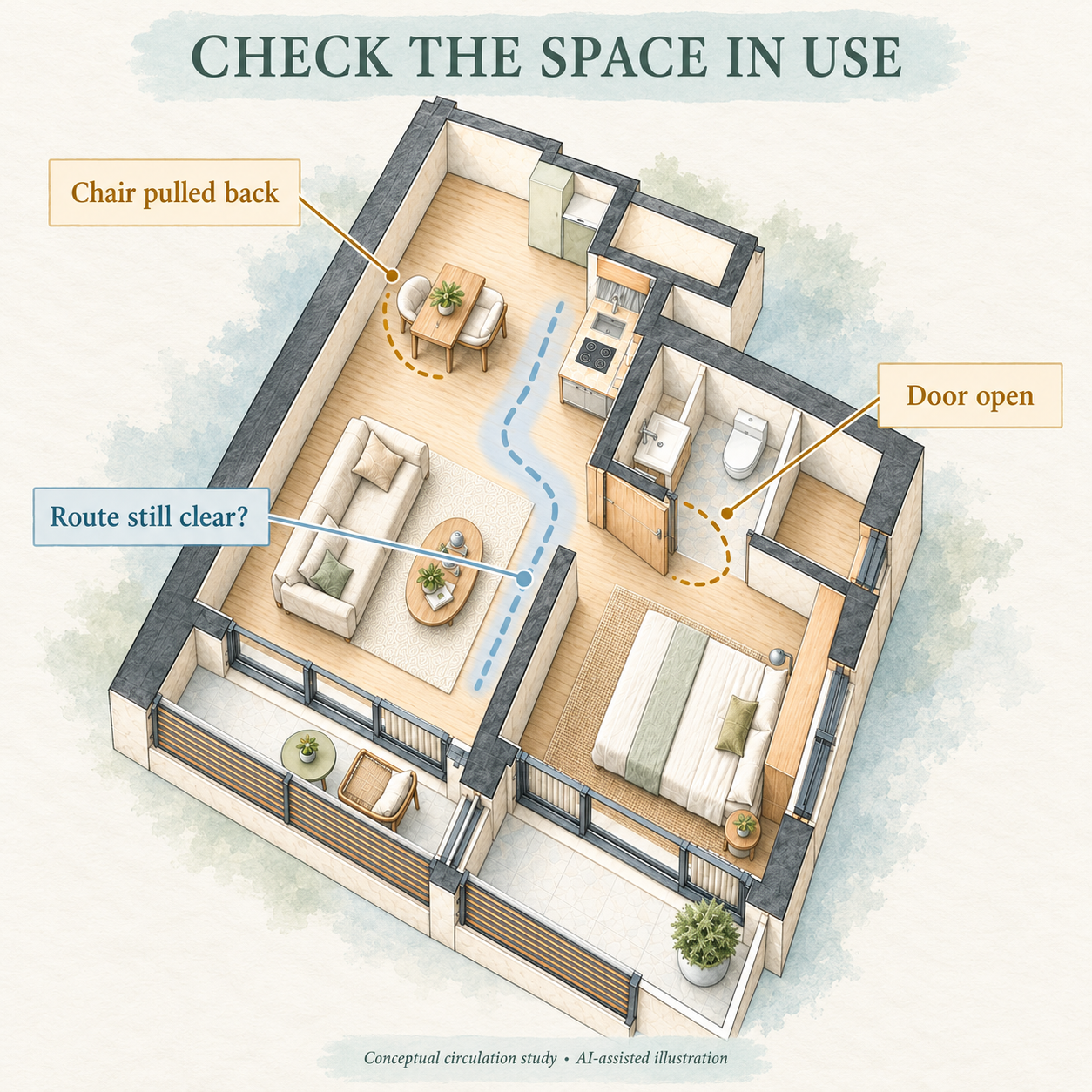
A Small Home Should Offer More Than a Place to Fit
Look beyond how much a plan can hold to the everyday activities, privacy and rest a home should support.
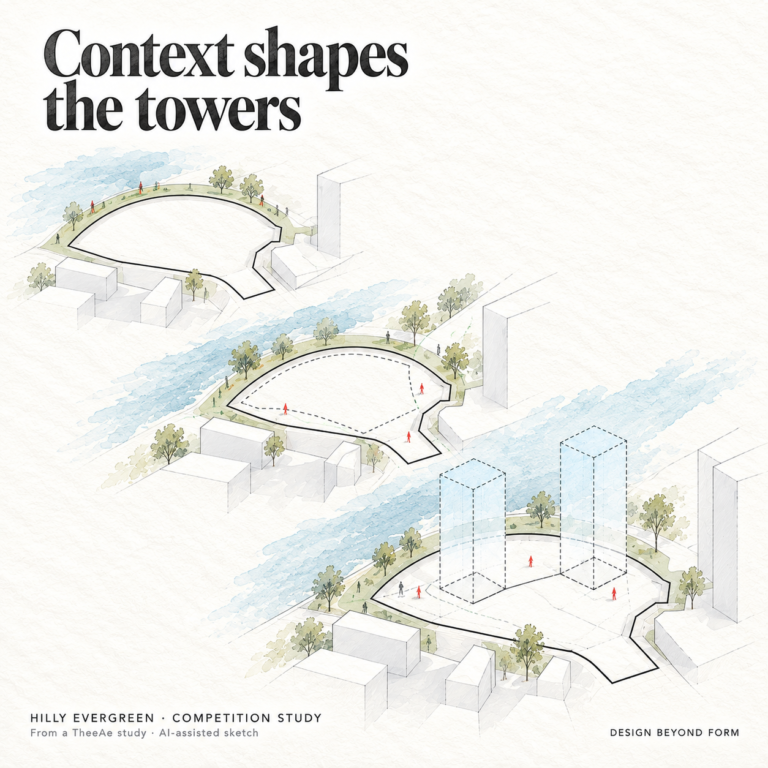
A Journey of Problem-Solving and Discovery
Follow a design process in which site conditions, access and relationships between spaces guide the decisions.
What is Design Beyond Form
Explore the thinking behind design shaped by people, place and purpose.