
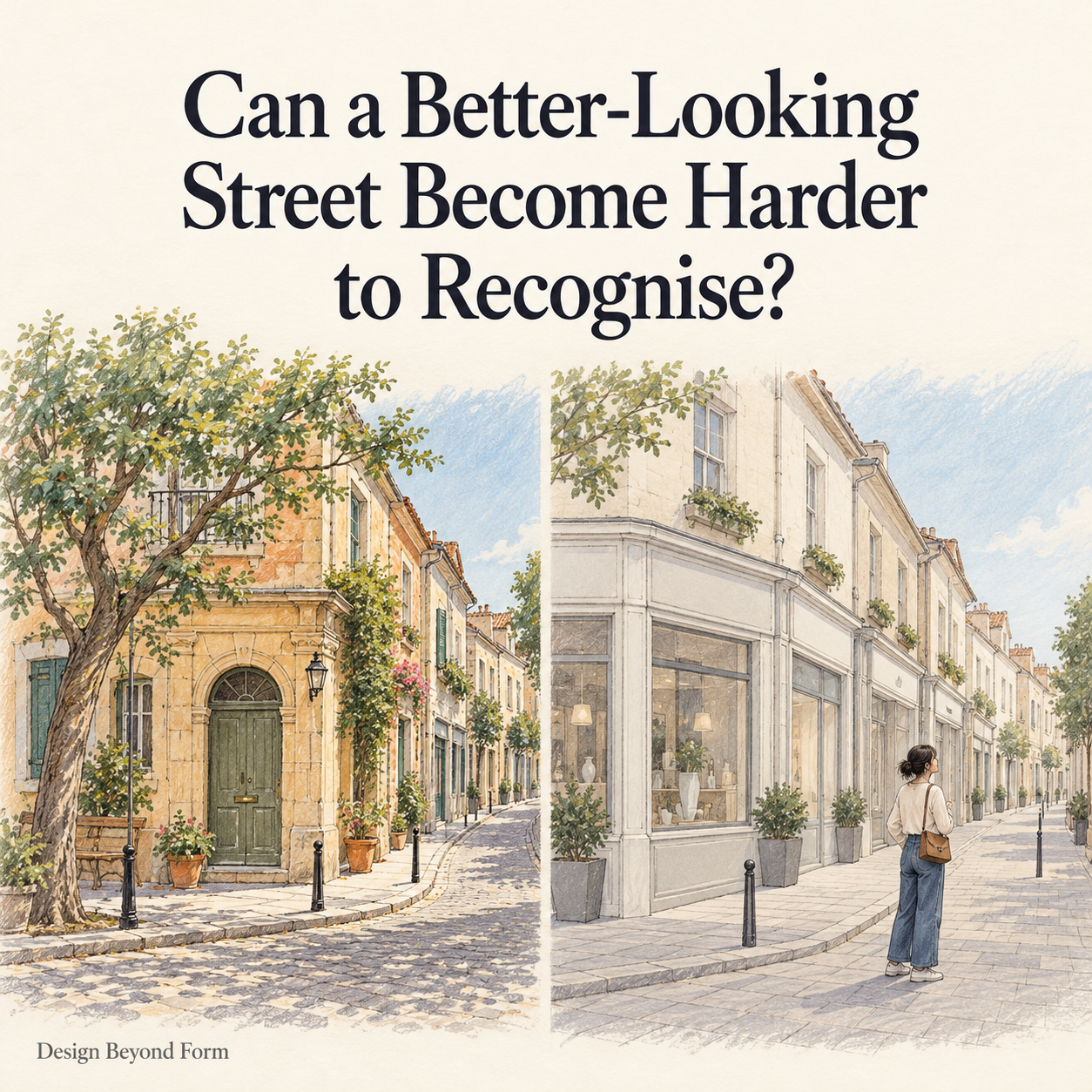
Imagine returning to a familiar street after its renovation.
The paving is cleaner. The shopfronts match. New lighting gives everything a consistent appearance.
But the corner you used to recognise has disappeared.
Would you still call this an improvement?
For someone reviewing the project through photographs, perhaps the answer is easy. For someone finding their way through it, another question matters: what helped them understand where they were?
A small Seattle study offers a useful starting point.
Researchers Kishore Seetharaman, Mardelle Shepley and Cayce Cheairs worked with five people living with mild-to-moderate dementia and their care partners during a neighbourhood walking programme. Participants photographed landmarks and discussed what made them noticeable or meaningful. The research appeared online on 22 May 2020 and in the May 2021 issue of Dementia. Original study
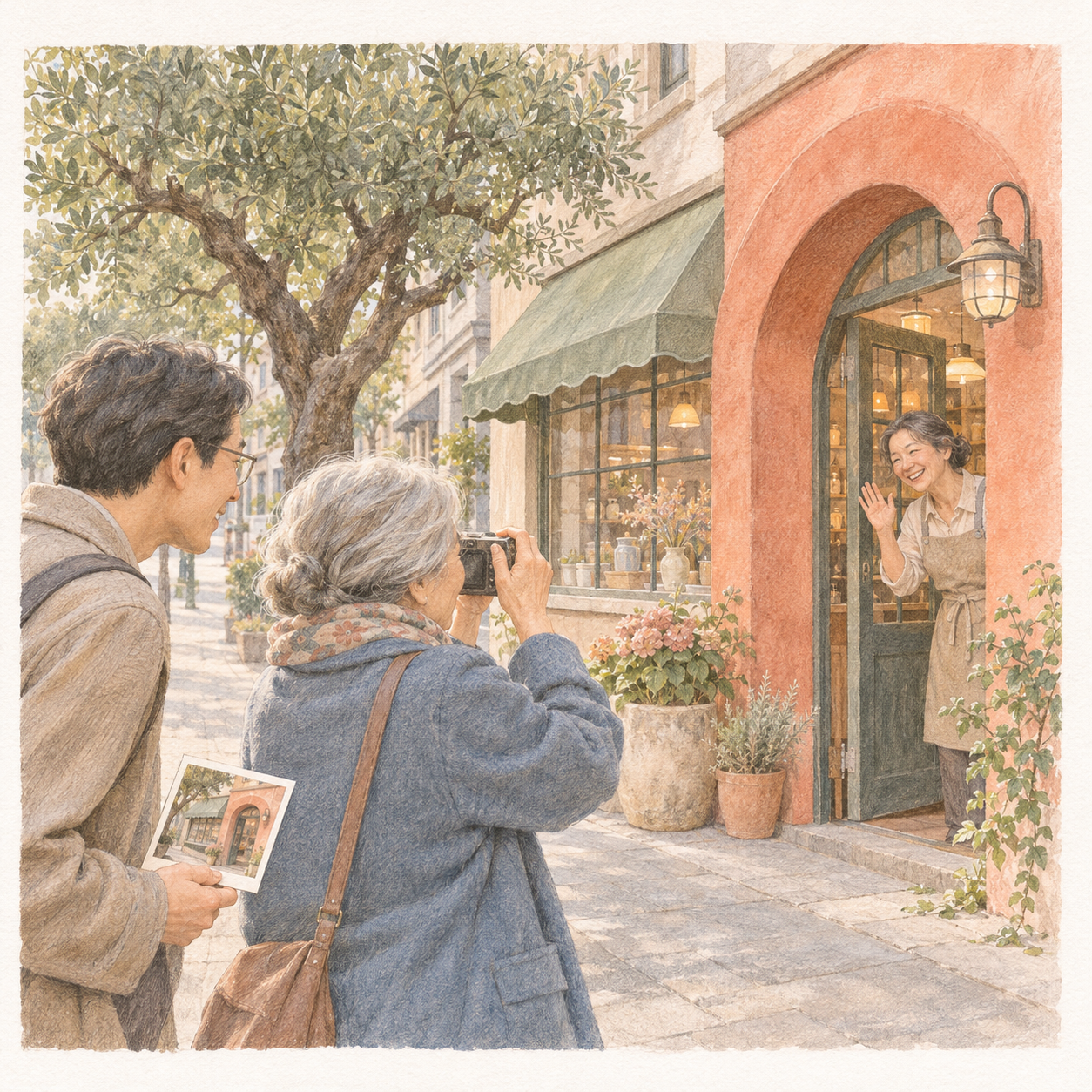
The participants’ responses pointed to two kinds of significance. Physical features such as shape, colour and size mattered. So did personal meaning: connections to their past, interests and emotions.
This was a small qualitative study. It explored people’s perceptions; it did not prove that retaining a particular landmark prevents someone getting lost, or that one design solution works for everyone. Its value is in asking whose understanding of a place informs its design. Study abstract and methods
That question deserves attention.
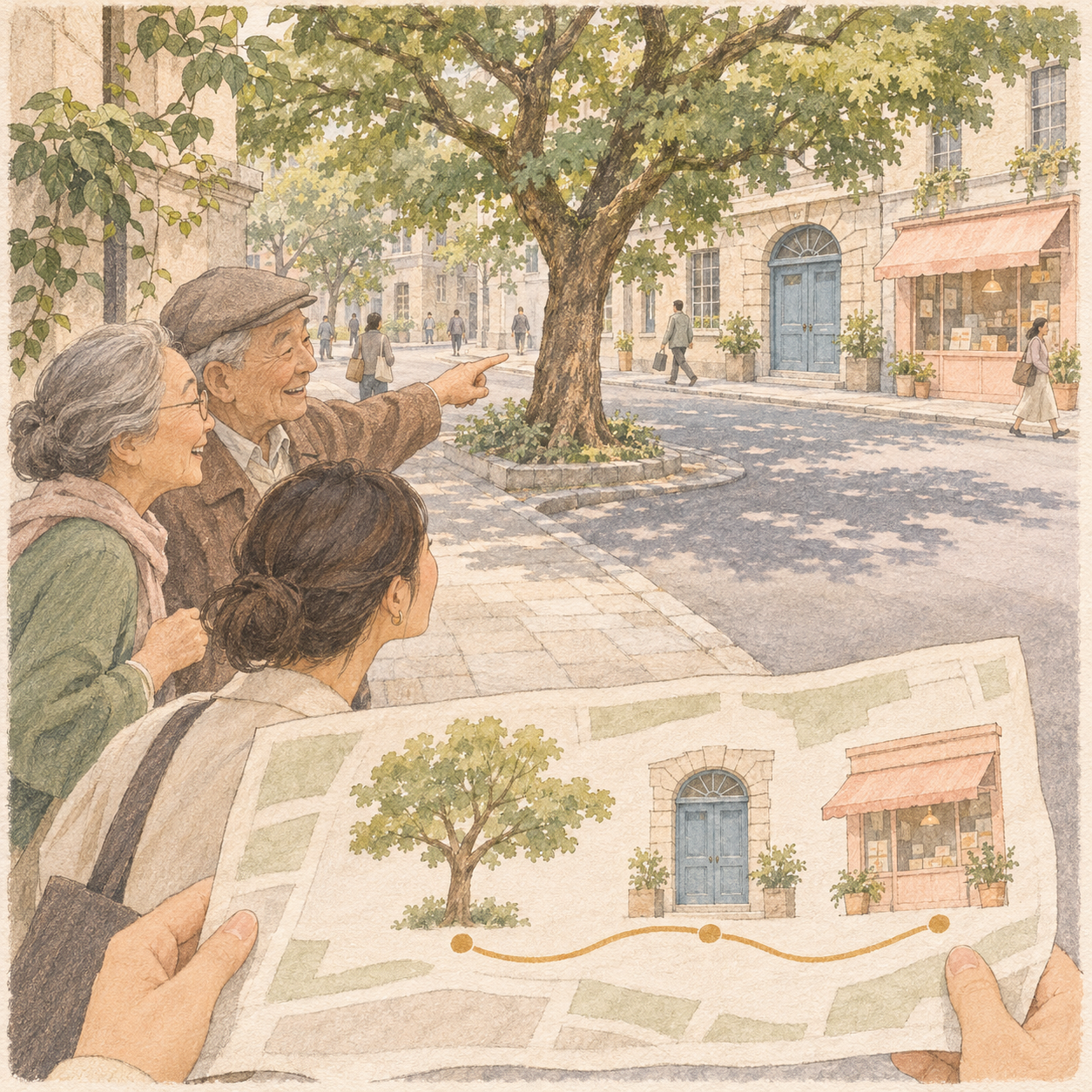
When we redesign a neighbourhood, we usually document buildings, trees, boundaries and utilities. Could we also ask residents to show us the things they use to recognise their everyday routes?
A distinctive entrance. A familiar shopfront. A tree at a turning point.
These are possibilities, not findings about any specific street. Their importance needs to be discovered with the people who use the place.
The architectural interpretation is that continuity deserves a place in the design brief.
This does not mean keeping unsafe paving, inaccessible entrances or every old feature unchanged. A street can become easier to use while retaining meaningful points of recognition. Where change is necessary, residents should help test whether the new route still makes sense.
The same question can guide an apartment lobby or a public building. Before making every corridor look identical, we can ask how someone will recognise the right turn. Before removing a familiar feature, we can find out whether it quietly helps people orient themselves.
Walking gives us a way to examine these questions at the scale of everyday life. We can follow a route with its users, notice where they hesitate, and listen to what they recognise. Counting people passing through would not tell us this.
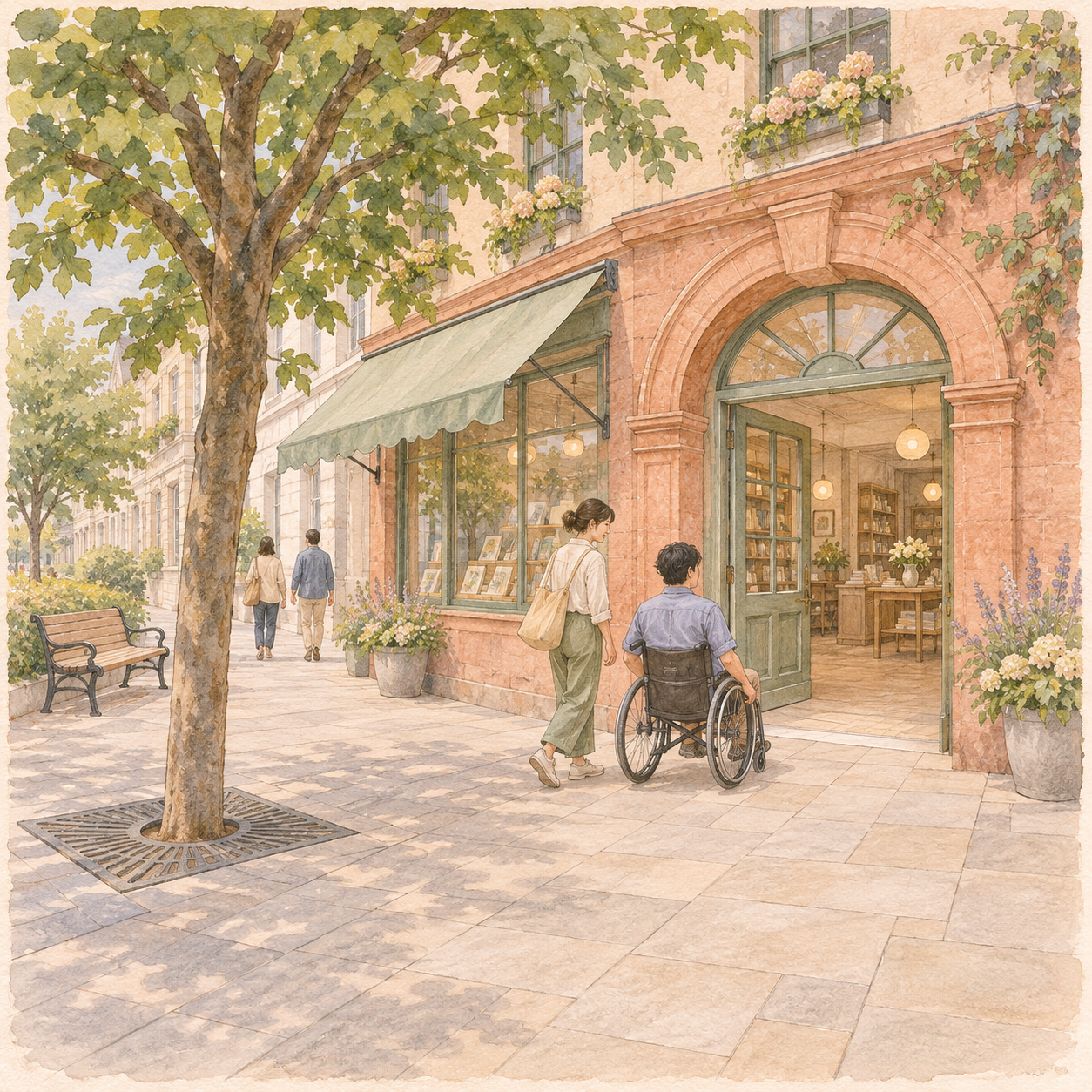
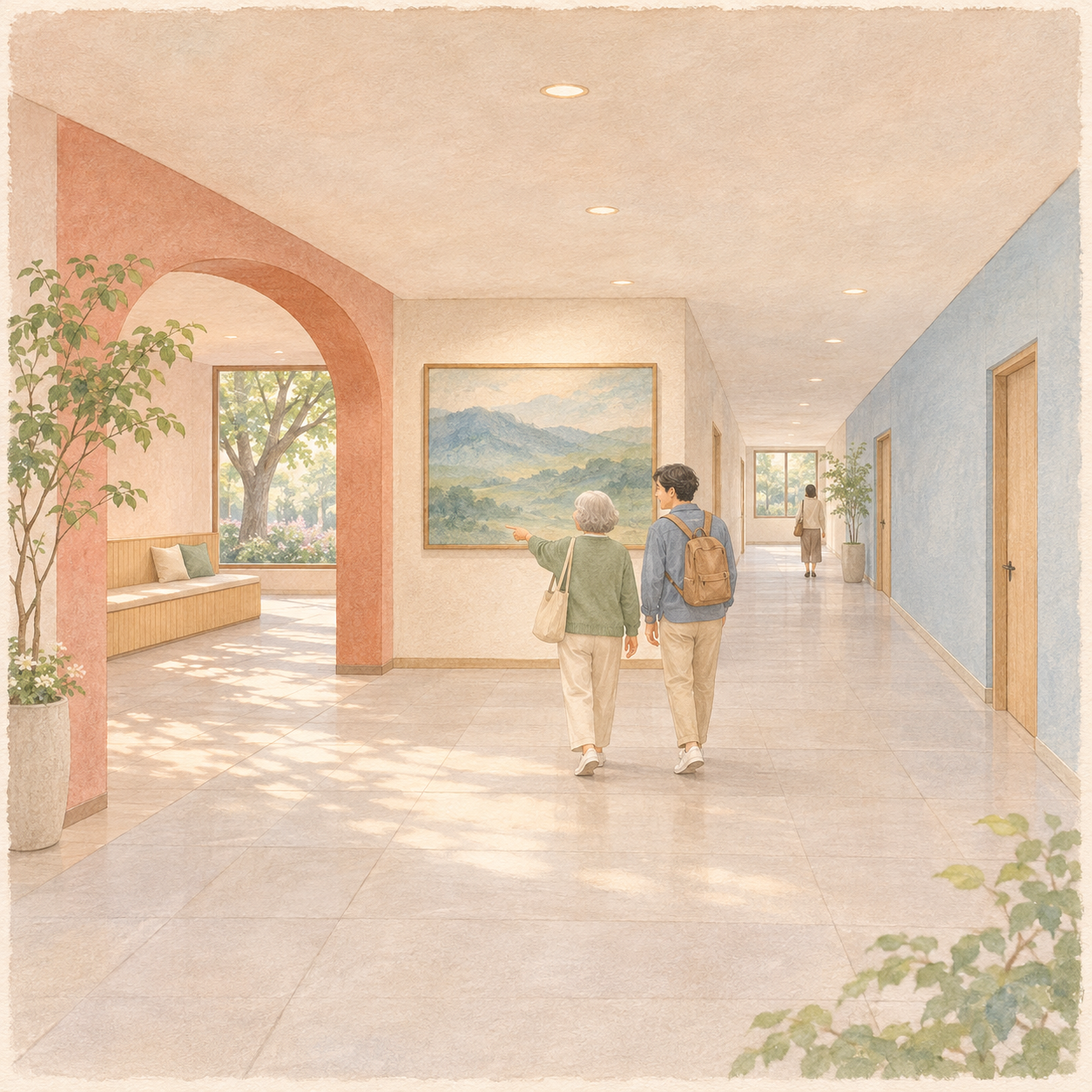
For TheeAe’s Design Beyond Form movement, this is a practical responsibility: understand what a place already means before deciding how it should change.
A better-looking street may be welcome.
But if we want people to continue using it with confidence, we should also ask what needs to remain recognisable.
Related Picks
As an Amazon Associate I earn from qualifying purchases.

Design Beyond Form by Chris Woohyun Cho — View on Amazon (paid link)
A closer look at architecture shaped by people, place and everyday life—through the questions and experiences behind the design.
The Image of the City — Kevin Lynch
Paperback · ISBN 9780262620017
Lynch’s account of paths, landmarks and urban imageability provides a wider framework for thinking about familiar cues. It complements the article’s design question; it is not clinical evidence about dementia or a guide to treatment.
Related Articles
The Shops Are Close. Why Does the Walk Still Feel Difficult?