
Have you ever heard of a walking meeting?
At first, it sounds too simple to be meaningful — just walk and talk.
But Steve Jobs didn’t think so.
He held his most important conversations on long walks, not in boardrooms.
Years later, Stanford researchers discovered why:
Walking boosts creative thinking by nearly 60%.
It wakes up the mind.
It opens conversation.
It builds connection.
It creates ideas that simply don’t happen when we sit still.
And here’s the interesting part:
What works for individuals also works for cities.
Walkable places spark community.
They spark creativity.
They spark opportunity.
Look at cities with beloved walkways — like New York’s High Line.
A single pedestrian path transformed an entire district because walking naturally brings people together.
Now think about Dubai.
A city full of ambition…
but also full of heat, long distances, and car dependency.
If walking is so powerful,
how do we bring that power into a place where walking outdoors is difficult most of the year?
That question leads to something new —
a human-scale idea designed for Dubai’s future.
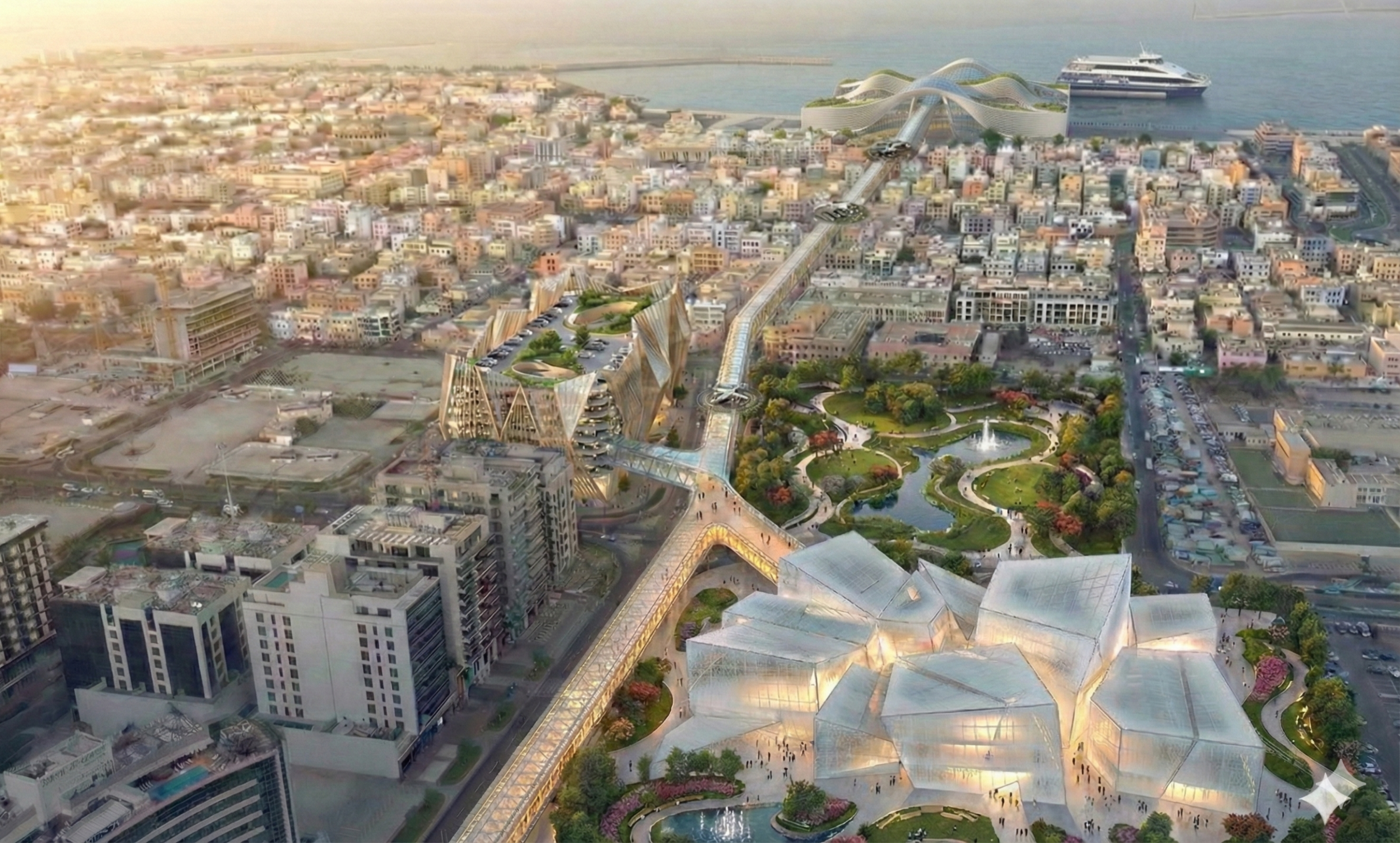
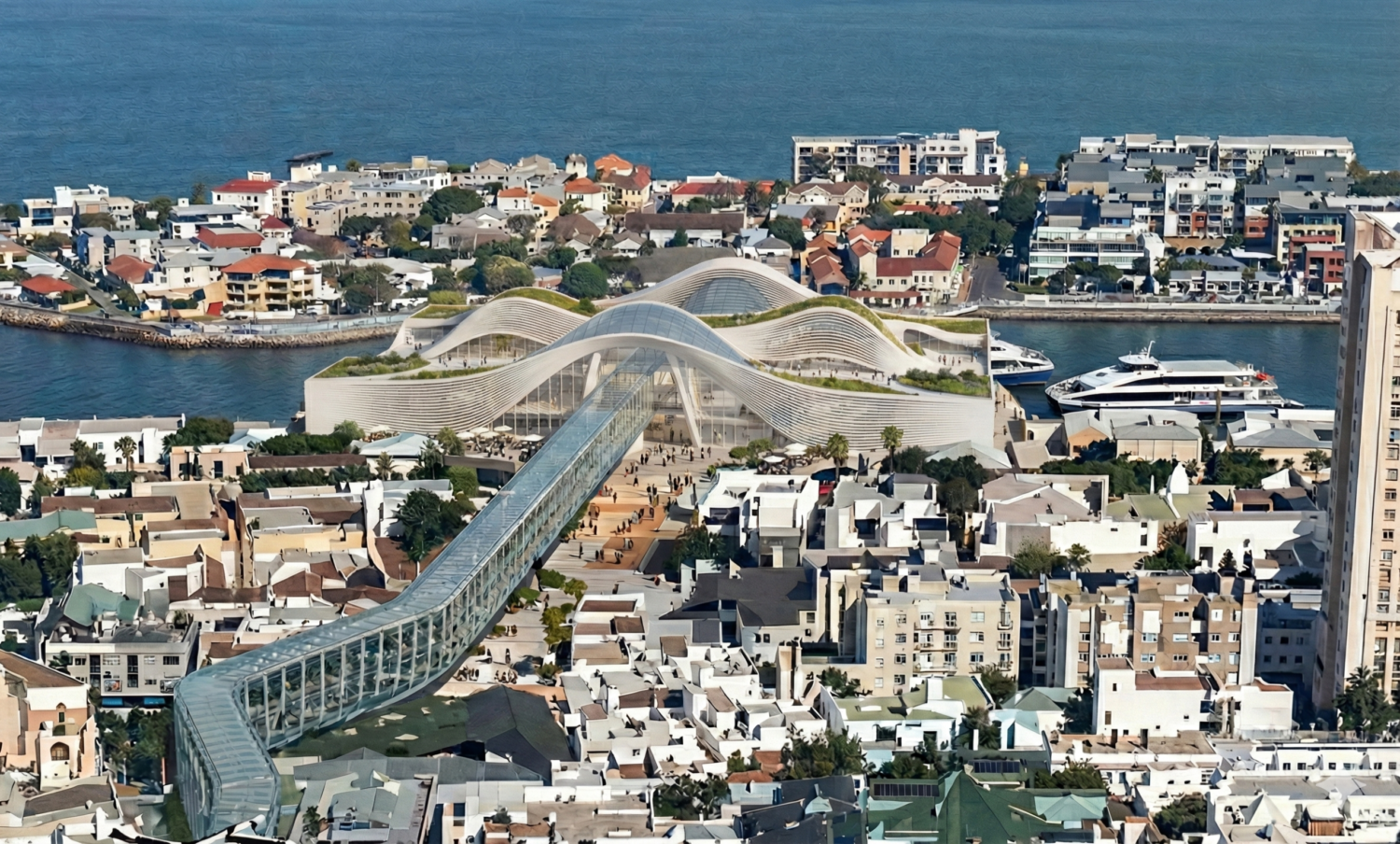
An idea that connects Metro stations, ferry terminals, business districts, and communities…
not with more roads,
but with walkable indoor space that lets people move, meet, and think together.
This idea is Masari Walk.
But the story behind it — the data, the logic, the urban challenges, and the opportunity — is much bigger than one project.
Inside the video, you’ll see:
- Why leaders like Steve Jobs used walking meetings to unlock ideas.
- How walking shapes memory, empathy, and creativity.
- Why car-centric cities unintentionally weaken human connection.
- The hidden mobility challenges Dubai faces today — and why technology alone cannot solve them.
- How walkability can reduce congestion without restricting cars.
- And finally, how Masari Walk fits into Dubai’s future as a human-centered mobility layer —
not competing with innovation, but completing it.
If you’ve ever wondered:
“Why do we need to walk?”
“Why do cities feel alive in some places and disconnected in others?”
“How can Dubai become more walkable in a realistic and climate-friendly way?”
— this video explains everything.
If walking can transform a single conversation…
imagine what it can do for a city.

It’s not the form—it’s the context.
Go find out why.