
I’ve experienced traffic congestion in many cities, but one memory stands out vividly—my trip to Mumbai in 2007 for the Mumbai airport project. The traffic there was unlike anything I had ever seen before. It was overwhelming, and that experience has stayed with me for 18 years.
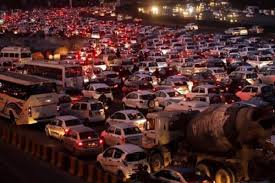
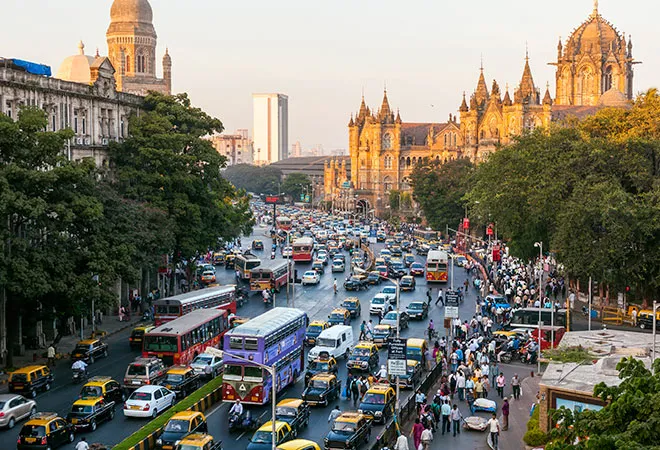
Even today, traffic remains a major challenge in most big cities. Here in Dubai, we notice a seasonal pattern. During summer, traffic eases because many residents travel abroad to escape the heat, and schools are on vacation. The city feels quieter, and movement becomes easier. Visitors are fewer, and the roads are more breathable.
But then comes winter—the peak season in Dubai. It’s the best time to enjoy the city, yet it brings the worst traffic problems. Good weather, bad congestion. It’s a trade-off we live with: we give up something to gain something. That’s a life lesson.
The Architect’s Question: How Do We Change This?
As architects, we ask: How can we make every season livable and breathable? Even if traffic exists, how can we create choices—options to avoid cars and use public transport instead? How do we enhance walkability? These are key questions that shape the future of urban design.
Dubai is making efforts: projects like the Dubai Loop near the Museum of the Future, underground tunnels inspired by Elon Musk’s ideas, and AI-equipped traffic signals. These innovations are exciting. But there’s something we often overlook: What does walking really mean?
Walking Is More Than Movement
Walking isn’t just strolling through a park. It’s about connection—connecting with people, places, and experiences. When we walk, we discover, we learn, we interact. Studies show that walking improves mental health, reduces stress, and even boosts economic activity.
But here’s the challenge: creating walkable spaces isn’t just about building structures. For example, the new Walkable Dubai Master Plan around the Museum of the Future may include a walkable loop, but people still need to drive there. Palm Jumeirah offers beautiful walks after sunset, but parking is limited, and the area already experiences traffic congestion from residents—adding visitors only makes the problem worse. Expo had metro access, but it was still far from many neighborhoods and not easily accessible through public transportation alone—it’s inconvenient and too far to reach. So, driving there becomes the norm. These examples show that isolated installations don’t solve the bigger issue.
True Urban Identity Comes from Context
True urban identity emerges from solving problems within their specific context. How can we address these challenges without drastically disrupting the existing layout? To answer that, we must recognize that walking should be part of everyday life—within neighborhoods, free from the fear of cars, and surrounded by vibrant streets where people can buy, sell, and interact. These environments spark conversations and foster community. That’s how we make a city truly amazing—through walking.
The future of Dubai—and every major city—depends on how we rethink mobility and walkability. It’s not just about reducing traffic; it’s about creating spaces where life happens beyond the car. When we design for people, not just vehicles, we build cities that breathe, connect, and thrive.
Introducing Masari Walk
This is where Masari Walk comes in. The concept introduces enclosed bridges that link not only stations but also neighborhoods, creating new retail spaces, shops, restaurants, and even parks integrated with shopping malls—something no city has ever done before.
This approach doesn’t just create convenience; it reduces dependency on cars, alleviates traffic congestion, and transforms mobility into an experience. That is the true characteristic of how a city can evolve—and how we turn the traffic challenge into an opportunity for better urban living.

It’s not the form—it’s the context.
Go find out why.